
Making A Guinea Fowl Habitat Frequently Asked Questions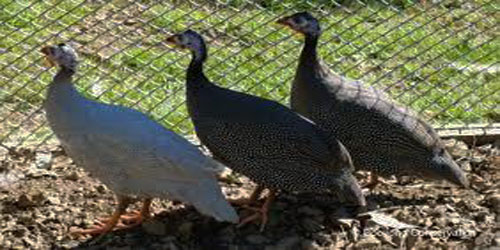 Here are 15 frequently asked questions on how to make a guinea fowl habitat:Use sturdy wire mesh with small gaps (like hardware cloth) buried at least 6 inches underground to prevent digging predators and keep guinea fowl contained. Yes, guinea fowl naturally prefer to roost off the ground—installing poles or low branches gives them a safe place to sleep and reduces stress. Secure fencing, covered runs, nighttime enclosure management, and motion-activated lights or noise deterrents help reduce predation risks significantly. Yes, if your property is secure from roaming pets and major predators—many homesteaders allow them to roam freely during the day and lock them in at night. Pine shavings, straw, or dried leaves work well as bedding—they’re absorbent, easy to replace, and provide insulation while keeping the coop clean. Not always, since hens often lay eggs in hidden ground nests—but providing nesting boxes filled with straw encourages egg laying in more accessible locations. Feed and water them consistently in one location, provide secure shelter, and avoid startling them—this builds routine and keeps them close to home. Plant native grasses, shrubs, and insect-attracting flowers to support natural foraging, offer shade, and create a balanced ecosystem that benefits both birds and insects. It’s safer to house them in a secure coop at night, as they are vulnerable to nocturnal predators—even if they fly up into trees during the day. Fresh, clean water is essential—place drinkers inside the coop or run and check them daily to ensure they aren’t frozen in winter or too hot in summer. Offer a high-quality game bird feed or layer crumble in addition to allowing them to forage naturally for seeds, berries, and insects. Yes, but monitor interactions—guinea fowl may dominate feeding areas and can be noisy, so separate feeding zones or staggered release times help maintain peace. Regular cleaning, proper ventilation, and using absorbent bedding like pine shavings help control moisture, odor, and dust buildup in the coop. Begin before bringing keets onto your property—ideally in spring or early summer—to give them time to adjust before extreme weather hits. Absolutely—for self-sufficient farmers, backyard homesteaders, and eco-conscious landowners, a well-planned habitat unlocks the full benefits of guinea fowl: pest control, security, eggs, and meat with minimal input. "Want To Raise Healthy Guinea Fowl? Get Gerard Dawn's Ebook That Will Guide You On How To Raise Healthy Profitable Guinea Fowl For Meat Or Eggs, In Your Own
|

How To Raise Guinea Fowl Contact Us Terms of Use Privacy Policy About Us FAQ Site Map