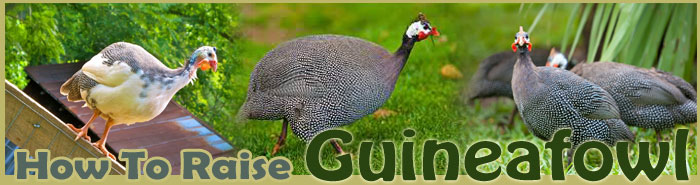
Guinea Fowl Farming For Self Sufficiency Frequently Asked Questions Here are 15 frequently asked questions on guinea fowl farming for self sufficiency:Absolutely—guinea fowl are known to consume large numbers of ticks daily, making them a natural and effective method for reducing tick populations. Begin with at least 5–10 birds to establish a stable flock, as they are social animals and thrive in small groups rather than alone. Generally, they are disease-resistant and do not require routine vaccinations like chickens, though maintaining clean housing helps prevent illness. Yes, but they prefer more space and may dominate feed areas—ensure separate feeding zones and monitor interactions, especially during nesting season. Most begin laying at 6–8 months of age, producing small, speckled eggs that are rich in flavor and nutrition, often laid directly on the ground in hidden nests. You’ll need to search for nests in quiet, secluded spots, collecting eggs daily to encourage continued laying and prevent brooding behavior. Yes, they are capable of short bursts of flight and will often roost in trees—secure fencing and nighttime enclosure management are essential to keep them safe. With proper care, guinea fowl can live up to 8–12 years, providing long-term benefits to your homestead in pest control, egg production, and security. Not if given space and privacy—hens often go broody and will hatch their own eggs, though you may want to provide nesting boxes or enclosed spaces for better egg survival. Yes, while they can find some moisture in food, fresh, clean water should always be available, especially during hot weather or dry seasons. Common threats include raccoons, foxes, hawks, snakes, and stray dogs—use sturdy fencing, covered runs, and nighttime housing to protect your flock. Their lean meat requires careful preparation, but they can be processed similarly to chickens—many homesteaders appreciate the richer flavor and healthier profile. Each bird needs about 10–15 square feet in a run, though free-ranging is ideal—allowing them to roam increases foraging efficiency and reduces stress. Yes, surplus eggs, meat, and even keets (young birds) can be sold at local markets, specialty stores, or online, offering a potential income stream alongside self-sufficiency. For those seeking sustainable, low-input poultry options, guinea fowl offer unmatched benefits—from pest control to food production—making them a rewarding choice for new homesteaders. "Want To Raise Healthy Guinea Fowl? Get Gerard Dawn's Ebook That Will Guide You On How To Raise Healthy Profitable Guinea Fowl For Meat Or Eggs, In Your Own
|

How To Raise Guinea Fowl Contact Us Terms of Use Privacy Policy About Us FAQ Site Map