
Small Scale Grasshopper Farming Frequently Asked Questions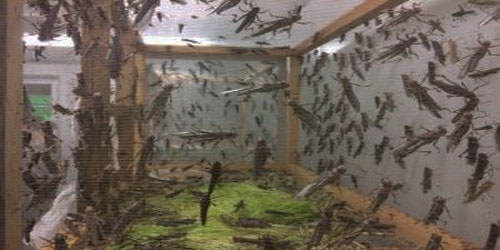 Here are 15 frequently asked questions on Small Scale Grasshopper Farming:Mesh-covered wooden frames, plastic storage bins with ventilation, or repurposed aquariums work well, provided they allow airflow and prevent escape. They thrive on fresh grasses, weeds, leafy greens, and vegetable scraps, making them low-cost to feed using locally available plant material. Fresh food should be provided daily, with old vegetation removed regularly to maintain cleanliness and prevent mold. They get most of their moisture from fresh vegetation, but light misting every few days helps maintain hydration and supports healthy molting. Place the enclosure in a warm area or use a heat lamp to maintain temperatures between 80–90°F (27–32°C), and mist occasionally for moderate humidity. Yes, so enclosures must be securely covered with fine mesh and checked regularly for gaps or weak seams. Place them in a sealed container in the freezer for several hours, which induces a painless state before processing. Yes, when raised in clean conditions and properly prepared, they are not only safe but highly nutritious and widely consumed across cultures. They can be roasted, fried, boiled, or dried—roasting with salt, garlic, and lime is a popular method that enhances flavor and texture. Absolutely—grasshopper farming pairs well with gardening, composting, and poultry keeping, creating a diversified and sustainable system. Most species reach harvestable size within 6 to 10 weeks after hatching, depending on environmental conditions and feeding practices. Yes, with proper soil depth, warmth, and humidity, females will lay eggs that hatch naturally, allowing for continuous cycles of production. Mold, mites, and fungal infections can occur if enclosures are too damp or dirty—good hygiene and ventilation help prevent these issues. If permitted by local regulations, you may sell processed grasshoppers at farmers’ markets or online, especially in regions where edible insects are accepted. Online forums, YouTube tutorials, agricultural extension services, and beginner-friendly guides offer valuable resources for aspiring grasshopper farmers. "Want To Raise Healthy Grasshoppers? Get Gerard Dawn's Ebook That Will Guide You On How To Raise Healthy Profitable Grasshoppers For Food, In Your Own
|

How To Raise edible insects Contact Us Terms of Use Privacy Policy About Us FAQ Site Map