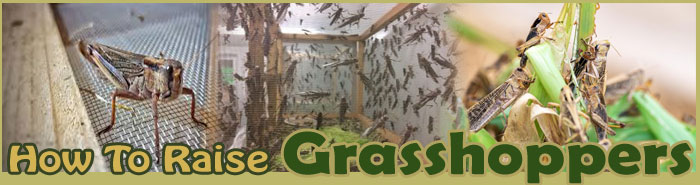
Grasshopper Farming for Self Sufficiency Frequently Asked Questions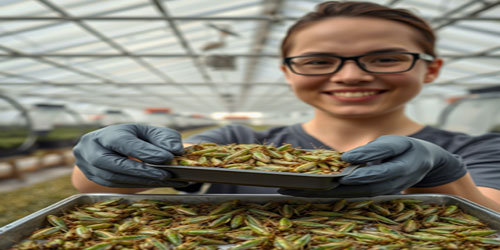 Here are 15 frequently asked questions on Grasshopper Farming for Self Sufficiency:Yes, they need well-ventilated enclosures with proper humidity control, vegetation for feeding, and protection from predators and extreme weather conditions. Depending on the species and environmental conditions, grasshoppers typically reach harvestable size within 6 to 10 weeks after hatching. Breeding requires specific conditions like warmth, moisture, and soil for egg laying, but with proper setup and care, it's achievable even for beginners. Yes, so enclosures must be secure with fine mesh and covered tops to prevent flighted adults from escaping while still allowing airflow. Harvesting can be done by placing them in the freezer for several hours, which induces a painless, stress-free state before processing. Yes, when properly raised and prepared, grasshoppers are not only safe but highly nutritious, rich in protein, vitamins, and essential minerals. They can be roasted, boiled, fried, or dried; roasting enhances flavor and texture, often seasoned with salt, garlic, or lime for added taste. Absolutely—grasshopper farming provides a quick-growing, reliable protein source that can supplement diets during food shortages or supply chain disruptions. Yes, it uses far less water, land, and feed than traditional livestock, and produces negligible greenhouse gases, making it a green alternative for sustainable living. Yes, with supervision, grasshopper farming can be an educational and engaging activity for children, teaching responsibility, biology, and sustainability. When raised in clean, controlled environments, disease risk is very low—proper hygiene and enclosure maintenance help ensure safe handling and consumption. If permitted by local laws, you may sell processed grasshoppers at farmers' markets or online as snacks or ingredients, especially in areas where edible insects are accepted. Dried or roasted grasshoppers can be stored in sealed containers for several weeks; refrigeration or freezing extends shelf life and preserves freshness. Yes, grasshopper farming complements gardening, composting, and poultry keeping, creating a diversified, closed-loop system that boosts overall self-sufficiency. Online forums, YouTube tutorials, agricultural extension services, and books on insect farming offer valuable guidance for beginners and experienced growers alike. "Want To Raise Healthy Grasshoppers? Get Gerard Dawn's Ebook That Will Guide You On How To Raise Healthy Profitable Grasshoppers For Food, In Your Own
|

How To Raise edible insects Contact Us Terms of Use Privacy Policy About Us FAQ Site Map