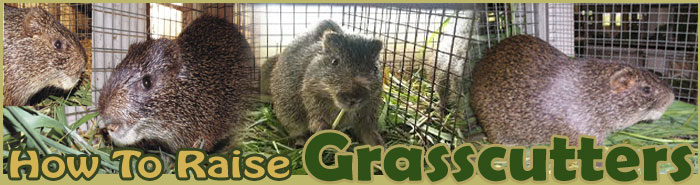
Grasscutter Farming for Self Sufficiency Frequently Asked Questions Here are 15 frequently asked questions on Grasscutter Farming for Self Sufficiency:They primarily eat grasses like elephant grass, napier grass, and vegetable peels—making feeding inexpensive and easy. Yes, they can coexist with rabbits or poultry, but avoid mixing males to prevent fighting. Grasscutters reach market weight at around 4–5 months and sexual maturity at about 5–6 months. Females can give birth 2–3 times a year with an average litter size of 3–6 kits per birth. With proper care and separation of males and females, breeding is manageable and predictable for consistent meat supply. No, when kept clean and dry, grasscutter enclosures have little odor compared to traditional livestock. Common issues include respiratory infections and parasites, which can be prevented with good hygiene and ventilation. It’s highly profitable due to low input costs and high market demand for their meat, especially in West Africa. Yes, grasscutter meat is culturally accepted and in high demand across many African countries, offering both local and niche export opportunities. After humane slaughter, skinning, and cleaning, the meat can be boiled, grilled, or roasted like other game meats. Yes, it's beginner-friendly and manageable with basic training, proper planning, and access to starter stock. You can source breeding stock from licensed farms, agricultural extension services, or local wildlife authorities where permitted. In some regions, permits may be needed since grasscutters are semi-wild animals; check local laws before starting. Ensure balanced nutrition, maintain clean housing, manage breeding cycles, and monitor health regularly. It provides reliable food, reduces grocery bills, and generates extra income—all with minimal resources, making it ideal for sustainable living. "Want To Raise Healthy Grasscutters? Get Gerard Dawn's Ebook That Will Guide You On How To Raise Healthy Profitable Grasscutters For Meat, In Your Own
|

How To Raise edible insects Contact Us Terms of Use Privacy Policy About Us FAQ Site Map