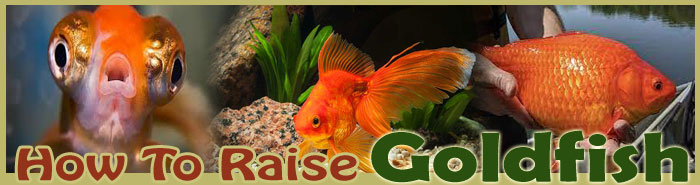
Small Scale Goldfish Farming Frequently Asked Questions Here are 15 frequently asked questions on Small Scale Goldfish Farming:Yes, indoor tanks with proper lighting, filtration, and feeding can support small-scale goldfish farming year-round. They can be fed vegetable scraps, worms, insects, duckweed, and commercial pellets, making them ideal for waste recycling systems. Not at all—goldfish breed readily in warm, clean water with vegetation or spawning mops, offering a continuous supply of new stock. Under good conditions, goldfish reach harvestable size (around 4–6 inches) in 6–12 months. Yes, their waste provides nutrients for plants, making them excellent candidates for low-input aquaponic gardens. Check local laws, as some regions restrict non-native species to prevent ecosystem disruption. Maintain clean water, avoid overcrowding, provide balanced nutrition, and use natural filtration like aquatic plants. Yes, as long as the water is free from contaminants and the fish are raised in a clean environment. Begin with 3–5 fish to observe behavior, breeding patterns, and water quality before expanding your farm. Common goldfish and comet varieties are more robust and faster-growing than fancy types, making them better suited for farming. Harvest only mature fish, allowing younger ones to grow and breed, ensuring a steady and renewable population. Yes, but choose peaceful, similarly sized cold-water species that share similar water requirements. A stable range of 65–75°F (18–24°C) supports optimal growth, though they can handle cooler temperatures better than hot ones. Use gravel, aquatic plants, and regular partial water changes to maintain balance in off-grid setups. Absolutely—it’s a quiet, scalable, and resilient way to add protein and sustainability to off-grid or emergency living strategies. "Want To Raise Healthy Goldfish? Get Gerard Dawn's Ebook That Will Guide You On How To Raise Healthy Profitable Goldfish Ornamental Or Aquarium Purposes, In Your
|

How To Raise Rainbow Trout Contact Us Terms of Use Privacy Policy About Us FAQ Site Map