
Small Scale Geese Farming Frequently Asked Questions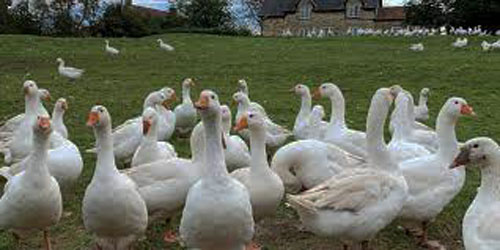 Here are 15 frequently asked questions about small scale geese farming:Geese typically take 6 to 8 months to reach slaughter weight for meat production, depending on the breed and management practices. Ensure geese have access to shelter from extreme weather, fresh water that doesn’t freeze, and maintain a clean, dry environment to prevent health issues. While pasture and foraging can provide much of their nutrition, geese may require supplementary grain or pellets, especially in winter or during breeding season. Keep their living area clean, provide proper nutrition, and practice good biosecurity measures such as limiting exposure to wild birds and managing flock health regularly. To breed geese, introduce a male (gander) to females (geese) during the breeding season. Make sure they have access to a nesting area with bedding and plenty of water for egg-laying. Spring and early summer are the best times to start raising geese, as they can benefit from warmer weather and abundant grass for grazing. Starting with 5 to 10 geese is manageable for beginners. This allows you to learn proper care without overwhelming your resources. Healthy geese should have clear eyes, clean feathers, active behavior, and healthy appetites. Regularly check for signs of illness such as lethargy, unusual droppings, or respiratory issues. Install secure fencing and provide safe housing to keep predators such as foxes, raccoons, or birds of prey away. Geese are also vocal and can alert you to potential threats. Yes, you can sell geese meat, eggs, feathers, and down at farmers' markets, local butchers, or directly to consumers who value ethically-raised poultry products. Costs include purchasing the geese, providing shelter, feeding, and healthcare. However, raising geese on pasture can lower feed costs significantly. The initial setup may be higher, but long-term costs are often lower than commercial farming. Geese are relatively low-maintenance compared to other livestock. However, they do need proper shelter, access to water, and protection from predators, as well as a balanced diet. You can market geese products by promoting your farm at local farmers' markets, offering online sales, or creating relationships with local restaurants that serve high-quality, locally-produced meats. Geese droppings can be composted and used as a natural fertilizer for crops. Ensure waste is managed in a way that maintains the cleanliness of their environment and prevents contamination. To expand, you can gradually increase your flock size, diversify products (such as selling geese eggs or down), or offer educational workshops on sustainable farming practices to the local community. "Want To Raise Healthy Geese? Get Gerard Dawn's Ebook That Will Guide You On Small Scale Geese Farming For Meat Or Eggs, In Your Own Farm YardEven If You're Just
|

How To Raise Geese Contact Us Terms of Use Privacy Policy About Us FAQ Site Map