
Making An Elk Habitat Frequently Asked Questions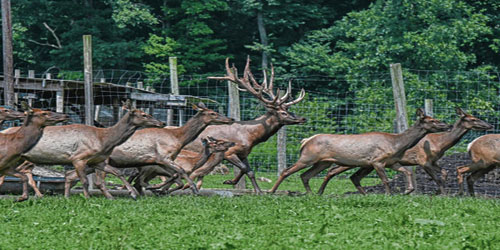 Here are 15 frequently asked questions on how to make an elk habitat:Include grazing areas, shelter zones, clean water access, feeding stations, and secure fencing to support natural behavior and health. Water is critical—provide multiple clean, accessible sources such as ponds, springs, or troughs that are available year-round. Yes, rotating grazing areas helps maintain forage quality, prevents overgrazing, and promotes healthier land and herd management. Elk benefit from natural windbreaks, dense vegetation, or man-made structures that provide protection from extreme weather and sun. Place feeding stations away from resting areas to encourage movement and reduce contamination; use feed bunks or troughs to minimize waste. While they use forested areas for shelter, elk also need open spaces for grazing—ideally a balance of both in their habitat. Plant browse species like willow, aspen, dogwood, and clover-rich meadows to provide natural forage and shade. Rotate pastures regularly, maintain clean feeding and watering areas, and consult a veterinarian for deworming schedules. Begin preparations in spring or early summer to allow time for fencing, pasture development, and acclimation before winter. Allow them time to adjust by keeping human interaction minimal, ensuring feed and water are immediately available, and monitoring stress levels. Yes, during harsh winters or when natural forage is scarce, provide hay, protein pellets, and mineral supplements to maintain health. Secure fencing, motion-activated lights, and guard animals like llamas or dogs can help deter predators and protect your herd. It’s generally not recommended due to disease risks and behavioral differences—keep elk separate from cattle, sheep, and deer if possible. Use trail cameras, observation blinds, or scheduled visits during early morning or dusk when elk are most active. Avoid poor fencing, inadequate space, improper water placement, and overcrowding—each can lead to stress, disease, or escape issues.
"Want To Raise Healthy Elk? Get Gerard Dawn's Ebook That Will Guide You On How To Raise Healthy Profitable Elk For Meat Or Leather, In Your Own Farm Yard Even If You're
|

How To Raise Bison Contact Us Terms of Use Privacy Policy About Us FAQ Site Map