
Elk Farming For Self Sufficiency Frequently Asked Questions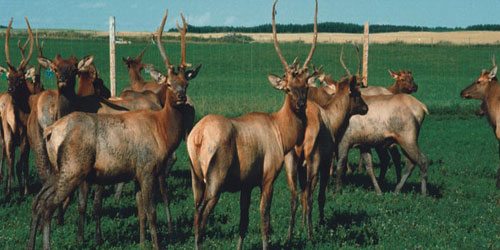 Here are 15 frequently asked questions on elk farming for self sufficiency:Yes, most states require permits, health certifications, or registration for elk ownership due to disease control and wildlife management concerns. Elk are wild animals and require more cautious handling than domestic livestock, but they are relatively low-maintenance once acclimated to their environment. Elk are primarily grazers and browsers, thriving on grasses, legumes, shrubs, tree bark, and supplemental hay or grain during harsh winters. A general guideline is 2–5 acres per elk, depending on forage quality and rotational grazing practices to maintain land productivity. Elk require tall, sturdy fencing (at least 6–8 feet) made from woven wire or high-tensile strength materials to prevent escape and protect against predators. It’s generally not recommended to mix elk with cattle or sheep due to differences in behavior, feeding habits, and disease risk like tuberculosis. Elk can live up to 12–15 years and are typically harvested between 2–4 years old, depending on growth and intended use. The rutting season occurs in the fall, usually September through October, with a gestation period of about 245–255 days before calves are born in spring. While technically possible, elk are not dairy animals and milking is impractical due to temperament and low yield compared to traditional dairy breeds. Use a squeeze chute or handling facility designed for deer and elk to safely restrain them for routine health checks, deworming, or tagging. Common concerns include parasites, nutritional deficiencies, and diseases like chronic wasting disease (CWD), which requires strict biosecurity measures. Depending on local regulations, you may be able to sell meat, hides, antlers, or processed goods at farmers’ markets, online, or through custom processing. With proper tools and knowledge, elk meat can be butchered similarly to venison—ideal for roasts, steaks, sausages, and jerky for long-term storage. Yes, while resilient to cold, elk benefit from windbreaks or simple shelters to conserve energy and stay dry during harsh weather. While not always highly profitable, elk farming offers significant value for self-reliance, providing food, natural resources, and potential income from surplus products. "Want To Raise Healthy Elk? Get Gerard Dawn's Ebook That Will Guide You On How To Raise Healthy Profitable Elk For Meat Or Leather, In Your Own Farm Yard Even If You're
|

How To Raise Bison Contact Us Terms of Use Privacy Policy About Us FAQ Site Map