
Eel Farming For Self Sufficiency Frequently Asked Questions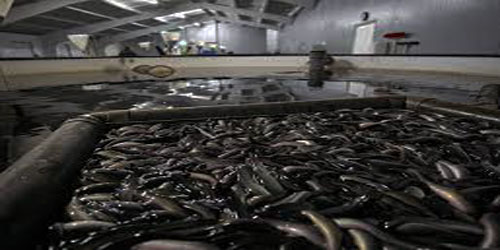 Here are 15 frequently asked questions on Eel farming for self sufficiency:Depending on your location, permits or licenses may be required due to conservation concerns and regulations around eel species. Eels prefer clean, well-oxygenated freshwater with stable temperatures between 15°C and 25°C and low ammonia levels. It typically takes 6 to 18 months to grow eels to market size, depending on species, water temperature, and feeding practices. Eels are carnivorous and can be fed fish scraps, worms, insects, commercial pellets, or formulated organic feeds. Yes, eels can be raised in rice paddies using traditional integrated farming methods that boost productivity and sustainability. While not always highly profitable, eels can provide excellent value for self-sufficiency and may generate extra income through local sales. Eels can be farmed in small tanks, barrels, or ponds, making them ideal for homesteads with limited space. The Japanese eel (*Anguilla japonica*) and European eel (*Anguilla anguilla*) are the most commonly farmed species for consumption. Full-cycle breeding is difficult and rarely achieved outside of specialized facilities; most farmers rely on wild-caught juveniles. Use filters, regular water changes, and monitoring tools to control pH, oxygen levels, and ammonia buildup in eel tanks or ponds. Yes, poor water quality and overcrowding can lead to disease; maintaining hygiene and proper stocking density helps prevent outbreaks. Eels can be harvested manually or by draining part of the system, depending on the setup, and should be handled humanely and efficiently. Yes, farmed eels are safe and nutritious to eat when raised properly and cooked thoroughly. When managed responsibly with ethical sourcing and minimal environmental impact, eel farming supports sustainable living goals. Eel farming reduces dependence on store-bought protein, utilizes local resources efficiently, and integrates well with other homesteading practices. "Want To Raise Healthy Eel Fish? Get Gerard Dawn's Ebook That Will Guide You On How To Raise Healthy Profitable Eel Fish For Meat, In Your Own Farm Yard Even If You're
|

How To Raise Tilapia Contact Us Terms of Use Privacy Policy About Us FAQ Site Map