
Raising Muscovy Ducks Frequently Asked Questions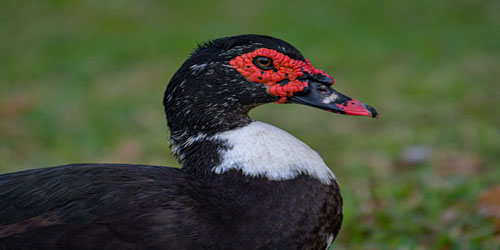 Here are 15 frequently asked questions about how to raise muscovy ducks:Muscovy ducks are hardy and can handle both hot and cold weather. However, they should be sheltered during extreme weather conditions like heavy snow or intense heat to prevent stress and illness. Muscovy ducks typically lay between 200 to 300 eggs per year. They usually lay eggs in the early spring to late summer and can continue laying for several months. Watch for signs such as lethargy, loss of appetite, nasal discharge, or changes in behavior. If any of these signs appear, it’s best to consult with a veterinarian for diagnosis and treatment. Yes, Muscovy ducks can live with other ducks but may be more independent and territorial. It’s essential to monitor their interactions and ensure adequate space to avoid conflicts. The best bedding for Muscovy ducks is straw, hay, or wood shavings. These materials help keep the coop dry and comfortable while absorbing waste and odors. Muscovy ducks breed naturally, and hens typically lay their eggs in secluded nesting areas. After laying, the female incubates the eggs for about 35 days until they hatch. Ducklings should be kept warm (around 85-90°F) and provided with a safe, clean area. They should be fed a high-quality duckling starter feed and have access to fresh water at all times. While Muscovy ducks don’t need to swim, they do require access to clean water for drinking and cleaning their beaks. A small pool or shallow water container is sufficient. Ensure your ducks are housed in a predator-proof pen with secure fencing and covered areas. It’s also important to lock them inside their coop at night when predators are most active. Muscovy ducks are relatively hardy but can be susceptible to respiratory diseases, parasites (like mites), and avian influenza. Maintaining good hygiene and keeping their living area clean will help reduce risks. Male Muscovy ducks (drakes) are larger with a more pronounced red facial caruncle (wattle) around their beaks. Females are smaller and have a less noticeable wattle. Muscovy ducks have the ability to fly short distances, but they are not strong fliers like other duck breeds. They may fly over fences if not clipped, so wing clipping may be necessary if containment is required. Muscovy ducks are known for their lean meat, high egg production, and ability to forage. They are also hardy and require less maintenance than other duck breeds, making them a good option for beginner farmers. If your duck is laying eggs outside, try to provide a designated nesting area within their shelter to encourage her to lay there. A dark, quiet, and secluded spot will often attract the female to lay her eggs there. Regular cleaning of the coop and pen is essential. Duck waste can be composted or used as fertilizer for gardens, as it is high in nitrogen and beneficial for soil health. Muscovy ducks can live for up to 10-15 years with proper care, though most ducks raised for meat and egg production are typically kept for 5-7 years. Healthy Muscovy ducks with good living conditions can thrive for many years. "Want To Raise Healthy Ducks? Get Gerard Dawn's Ebook That Will Guide You On How To Raise Healthy Profitable Muscovy Ducks For Meat or Eggs, In Your Own Farm Yard Even If You're Just Starting Out In Ducks Farming..."
|

How To Raise Ducks Contact Us Terms of Use Privacy Policy About Us FAQ Site Map