
Raising Ducks Frequently Asked Questions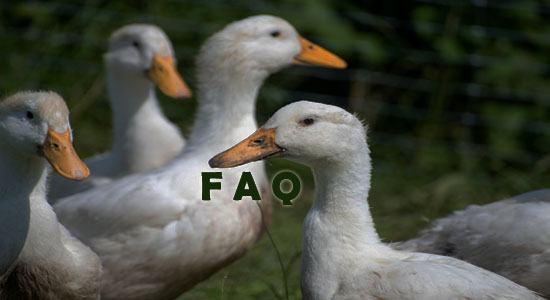 Here are 15 frequently asked questions about raising ducks:Ducks are known for their hardiness and adaptability to various environments. They produce rich, flavorful eggs, require less feed than chickens for the same amount of egg production, and their foraging behavior helps control pests and weeds in the garden. How To Raise Ducks Brooding ducklings need a warm, dry environment with temperatures starting at 90°F (32°C) for the first week, decreasing by 5°F (3°C) each subsequent week. They require clean bedding, access to water, and a high-quality starter feed to promote healthy growth. 12 Things To Know Before You Start Raising Ducks A duck run should be spacious, well-ventilated, and protected from predators. It should include sheltered areas for shade, a secure fence, and access to fresh water. Additionally, providing enrichment, like plants and toys, can help keep ducks engaged and healthy. Duck eggs are larger and contain more fat and protein than chicken eggs, making them creamier and richer in flavor. They also have a thicker shell and higher levels of certain vitamins and minerals, including vitamin B12 and selenium. Healthy ducklings are active, curious, and have clean feathers. They should eat and drink regularly, and their droppings should be consistent. Look for signs of distress or lethargy, which can indicate health issues. A predator-proof duck run should have a sturdy fence buried at least 12 inches underground to deter digging predators, solid walls or a secure roof to prevent aerial attacks, and small gaps to prevent entry by smaller animals. Regular inspections can help identify vulnerabilities. To promote daily egg laying, provide a balanced diet with adequate protein, access to clean water, and a comfortable nesting area. Maintaining a consistent light schedule and reducing stress through proper handling can also support regular egg production. A duck pond provides ducks with a natural environment to swim, forage, and socialize, promoting their physical and mental health. It helps keep ducks clean, reduces the need for bathing, and can provide natural food sources like algae and insects. To protect ducks from avian flu, avoid contact with wild birds, maintain biosecurity by keeping the duck area clean, monitor flock health, and limit visitors. Regular health checks and vaccinations, when appropriate, can also help prevent disease outbreaks. Duck brooders should be cleaned at least once a week or more frequently if they become soiled. Use a non-toxic disinfectant and ensure that bedding is dry and fresh to prevent disease. Proper ventilation is crucial during cleaning to maintain air quality. Yes, wood chips are a suitable bedding material for ducks as they provide good insulation, absorb moisture, and help control odor. However, it is essential to choose untreated wood chips to avoid harmful chemicals. Regular changing of bedding is necessary for hygiene. Common health issues include respiratory infections, bumblefoot (a foot infection), parasites, and nutritional deficiencies. Proper care, including good hygiene and a balanced diet, can help prevent these problems. In cold weather, provide extra bedding and ensure their shelter is draft-free. In hot weather, provide shade, plenty of water, and a place for them to swim to cool down. Ducks are social animals and prefer to live in groups. They have a natural pecking order and communicate through various vocalizations. It's important to keep them in a flock for their well-being. Ducklings require a brooder with a heat source, such as a heat lamp, for the first few weeks. They should be fed a high-protein starter feed and given fresh water. Gradually reduce the heat as they grow and begin introducing them to the outdoors. Ducks need access to clean water for drinking and swimming. Regularly change their drinking water to prevent contamination and clean their swimming area to prevent algae buildup and waterborne diseases. Yes, ducks can often be kept with chickens, geese, and other poultry, but they may require separate housing or feeding areas to meet their specific needs, especially in terms of water access. Benefits include their ability to lay nutritious eggs, their hardiness compared to chickens, natural pest control abilities, and their relatively low maintenance needs. Challenges include managing their water needs, preventing water contamination, ensuring protection from predators, and dealing with their messy behavior, as ducks can make their living area wet and muddy. Regulations vary by region and may include zoning laws, animal welfare guidelines, and rules on water usage. It's important to check local regulations and obtain any necessary permits for raising ducks. "Want To Raise Healthy Ducks? Get Gerard Dawn's Ebook That Will Guide You On How To Raise Healthy Profitable Ducks For Meat or Eggs, In Your Own Farm Yard Even If You're Just Starting Out In Ducks Farming..."
|

How To Raise Ducks Contact Us Terms of Use Privacy Policy About Us FAQ Site Map