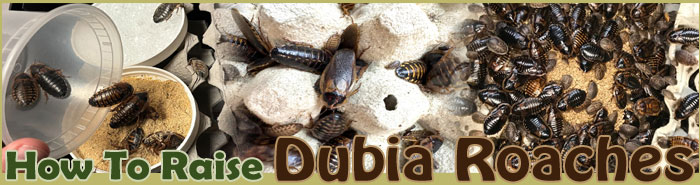
Small Scale Dubia Roach Farming Frequently Asked Questions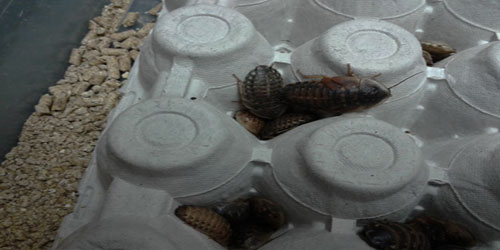 Here are 15 frequently asked questions on Small Scale Dubia Roach Farming:Yes, many people consume Dubia roaches dried, roasted, or seasoned—they’re high in protein, low in fat, and have a mild flavor compared to other insects. They thrive on a diet of fruits, vegetables, grains, and dry pet food scraps—avoid citrus and high-water content foods like watermelon to prevent mold. Feed every 2–3 days, removing any uneaten food to prevent spoilage—consistent feeding supports healthy growth and reproduction. Use water crystals, slices of cucumber, or apple pieces to provide moisture safely without drowning risks that come with open water sources. A healthy colony can double in size every few months—females give birth to live young, and nymphs mature in about 4–6 months under optimal conditions. No, Dubia roaches are nearly odorless when kept clean—regular cleaning and proper ventilation ensure minimal to no smell from your enclosure. Yes, they are widely used as nutritious feed for reptiles, amphibians, birds, and fish—making them a valuable addition to homesteads with exotic animals. Use a sifter or gently shake them into a container—harvest adults regularly to manage population and maintain a steady supply for food or feed. Males typically live around 12–18 months, while females can live up to 2 years—nymphs grow quickly and continuously replenish the colony. No, Dubia roaches cannot climb smooth surfaces like glass or plastic and don’t fly—keep enclosures secure with a tight lid to prevent accidental escapes. In cold climates, they cannot survive outdoors and pose little risk of becoming pests—if released in warm regions, they struggle to establish populations. Yes, many people profit by selling them as feeders to reptile owners, breeders, or pet stores—check local regulations and market demand before selling. Dry them in a dehydrator or oven and store in an airtight container for several months—roasted or seasoned roaches make a shelf-stable emergency protein source. Yes, Dubia roaches are rich in protein, calcium, iron, and essential amino acids, offering a nutrient-dense alternative to traditional meat sources. Yes, it’s highly sustainable—requiring little water, land, or feed while converting food waste into edible biomass, supporting eco-friendly self-sufficiency efforts. "Want To Raise Healthy Dubia Roaches? Get Gerard Dawn's Ebook That Will Guide You On How To Raise Healthy Profitable Dubia Roaches For Feed, In Your Own
|

How To Raise edible Dubia Roaches Contact Us Terms of Use Privacy Policy About Us FAQ Site Map