
Crocodile Skin Processing Frequently Asked Questions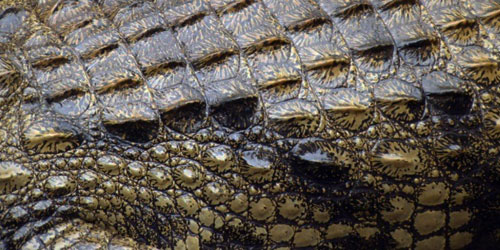 Here are 15 frequently asked questions on crocodile skin processing:Properly salted and dried skins can be stored for several weeks, but prompt tanning is recommended to maintain quality and prevent degradation. Tanning may involve chrome salts, vegetable extracts, or synthetic agents to stabilize collagen fibers and transform raw hides into supple, durable leather. Chrome tanning produces softer, more pliable leather quickly, while vegetable tanning offers a more natural finish but takes longer and is often costlier. The belly section is the most prized due to its smooth, uniform scale pattern, making it ideal for premium fashion accessories like wallets and handbags. Grading considers factors like scale size, symmetry, damage, color, and texture, with flawless, symmetrical belly skins receiving the highest value. Yes, skins with minor blemishes or scars can be used for less visible parts of products or processed into suede or embossed leather. Embossing is a technique where patterns are pressed into lower-grade leather to mimic the look of premium crocodile skin for more affordable products. Proper salting, drying, and storage in cool, well-ventilated areas help prevent mold growth and preserve skin integrity before tanning. Beamhouse processes include soaking, liming, and unhairing, which prepare the skin for tanning by removing unwanted tissues and opening up fiber structures. Depending on the method, tanning can take anywhere from a few days (chrome) to several weeks (vegetable), followed by finishing and grading. While naturally water-resistant, crocodile leather benefits from protective treatments to enhance durability and resist staining or discoloration. CITES permits are required for international trade, and some markets prefer additional certifications for animal welfare, sustainability, or traceability. Begin with proper licensing, invest in essential equipment and trained staff, partner with reputable farms, and establish connections with legal buyers. Use gloves, masks, and eye protection when handling chemicals, and follow safe handling procedures for sharp tools and heavy machinery. Finished leather can fetch up to 10 times more than raw skins, making in-house processing a powerful way to increase profitability and reduce dependency on exporters. "Want To Raise Healthy Crocodiles? Get Gerard Dawn's Ebook That Will Guide You On How To Raise Healthy Profitable Crocodiles For Meat Or Leather, In Your Own Farm
|

How To Raise Rainbow Trout Contact Us Terms of Use Privacy Policy About Us FAQ Site Map