
Raising Crocodiles Frequently Asked Questions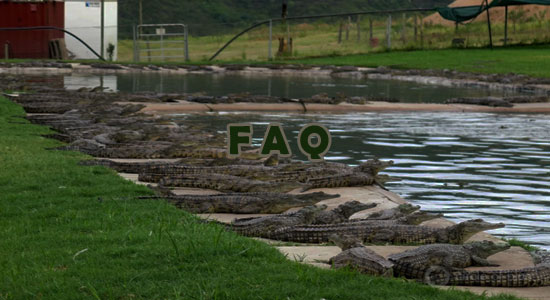 Here are 15 frequently asked questions about raising crocodiles:The primary goals of crocodile farming include the sustainable production of crocodile meat and leather, conservation of wild crocodile populations, and the generation of income through tourism and educational activities related to crocodile conservation. How To Raise Crocodiles An alligator farm focuses specifically on the breeding and raising of alligators, while a crocodile farm specializes in crocodiles. Although both types of farms may share similar practices, they cater to different species with distinct care and management requirements. 12 Things To Know Before You Start Raising Crocodiles Crocodile meat is low in fat and high in protein, making it a healthy alternative to traditional meats. It is also rich in essential vitamins and minerals, contributing to a balanced diet. Alligator meat has a mild flavor, often described as a cross between chicken and fish. Its texture is firm and tender, making it suitable for various cooking methods, including frying, grilling, and stewing. Crocodile leather is prized for its unique texture, durability, and luxurious appearance. It is often used in high-end fashion items such as handbags, shoes, and belts, making it a sought-after material. Alligator leather is considered a premium product due to its strength, softness, and distinctive pattern. The unique scale arrangement of alligator skin adds to its aesthetic appeal, making it a popular choice for luxury goods. Common diseases in farmed crocodiles include infections caused by bacteria, fungi, and parasites. Conditions like respiratory infections, skin infections, and enteritis are particularly concerning and can be managed through proper husbandry and veterinary care. Alligator farmers can prevent diseases by maintaining proper hygiene, providing adequate space and ventilation, ensuring a balanced diet, and implementing regular health checks. Vaccination programs may also be used for specific diseases. The Endangered Species Act provides protections for certain crocodile species, regulating their harvest and trade. Farmers must comply with legal requirements and conservation efforts to ensure sustainable practices that do not endanger wild populations. Louisiana is a leading state in alligator farming, with a well-established industry focused on sustainable farming practices. It has a significant impact on the local economy through alligator meat and leather production and contributes to conservation efforts. Thailand is a major player in crocodile farming, known for its advanced farming techniques and production of high-quality crocodile meat and leather. The country's regulations and practices promote sustainability and conservation of crocodile species. Rakwena Crocodile Farm, located in Botswana, is known for its eco-friendly practices and commitment to crocodile conservation. The farm offers educational tours, promoting awareness about crocodile ecology and sustainable farming. The Limpopo River provides a natural habitat for crocodiles, supporting their breeding and feeding. The river’s ecosystem plays a vital role in maintaining healthy populations of crocodiles in the wild. “The Amazing Race Australia” has featured challenges related to crocodile farming, showcasing the industry and its practices. This exposure helps raise awareness about crocodile conservation and sustainable farming efforts among a wider audience. Common health issues include skin infections, parasites, and digestive problems. Regular veterinary check-ups, proper nutrition, and maintaining a clean habitat are essential for preventing and managing health issues. Handling crocodiles should be done with extreme caution due to their strength and potential for aggression. Only experienced professionals should handle them, and proper safety equipment and protocols should always be used. Breeding crocodiles involves providing appropriate nesting sites and maintaining the right environmental conditions. Female crocodiles lay eggs in a nest, which should be monitored for temperature and humidity. Incubation may be done naturally or with artificial incubators. Provide a secure and spacious enclosure with access to both land and water. Include basking areas, hiding spots, and enrichment items to stimulate natural behaviors. Ensure the enclosure is secure to prevent escapes and protect against predators. In extreme weather, ensure that the enclosure provides adequate shelter and protection from the elements. Maintain water temperature and provide heating or cooling systems if necessary to keep the habitat within the appropriate range. Raising crocodiles can be beneficial for conservation efforts, educational purposes, and commercial ventures such as farming for leather and meat. They also play a role in research and species preservation. Challenges include managing their large space requirements, ensuring proper diet and health care, and handling their aggressive nature. Maintaining safety and meeting legal regulations are also significant considerations. Manage crocodile waste by regularly cleaning the enclosure and removing waste materials. Use appropriate sanitation methods to maintain hygiene and prevent disease. Waste can be collected and disposed of following local regulations. Regulations vary by region and may include guidelines on animal welfare, enclosure standards, and permits. It is essential to check local, state, and federal regulations and obtain any necessary permits or licenses for raising crocodiles. "Want To Raise Healthy Crocodiles? Get Gerard Dawn's Ebook That Will Guide You On How To Raise Healthy Profitable Crocodiles For Meat Or Leather, In Your Own Farm
|

How To Raise Rainbow Trout Contact Us Terms of Use Privacy Policy About Us FAQ Site Map