
Small Scale Cricket Farming Frequently Asked Questions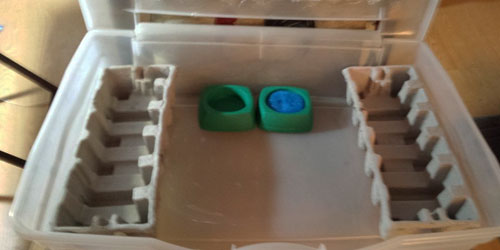 Here are 15 frequently asked questions on small scale Cricket farming:Crickets eat grains, vegetables, fish flakes, or commercial feed—providing a balanced diet ensures high nutritional value and optimal growth. From hatching to harvest, crickets typically take 6–8 weeks under ideal conditions, allowing for frequent and continuous production. Yes, indoor cricket farming allows for climate control, enabling year-round production regardless of outdoor weather conditions. Use water gel cubes, damp cotton balls, or shallow dishes lined with sponge material to prevent drowning while ensuring hydration. When cleaned regularly and not overcrowded, crickets produce minimal odor—good airflow and proper feeding help maintain a fresh environment. Yes, cricket farming is safe and educational for kids, teaching responsibility, biology, and sustainability through hands-on learning. Place the enclosure in the freezer for 15–20 minutes to humanely euthanize the crickets before roasting, drying, or grinding into flour. Yes, surplus crickets can be sold as pet food, feeder insects, or even human-grade protein to local markets, farms, or specialty health stores. Depending on your location, you may need a permit if selling crickets for human consumption—always check local health and agricultural regulations. Yes, crickets are excellent for feeding reptiles, birds, chickens, and fish—offering a natural, nutrient-dense supplement without store-bought options. After processing, dried or roasted crickets can be stored in an airtight container for several months—freeze for longer preservation or grind into powder for baking. Male crickets chirp to attract mates, which can be noticeable in large numbers—consider placing your farm in a garage or outbuilding if noise is a concern. Clean the enclosure weekly by removing uneaten food and waste, and replace bedding every few weeks to maintain hygiene and prevent disease. Yes, crickets are packed with complete protein, B vitamins, iron, calcium, and omega fatty acids, making them one of the most sustainable food sources available. Crickets offer unmatched efficiency, requiring less water, land, and feed than traditional livestock while delivering more nutrients per pound—making them a smart choice for self-sufficient living. "Want To Raise Healthy Crickets? Get Gerard Dawn's Ebook That Will Guide You On How To Raise Healthy Profitable Crickets For Food, In Your Own Farm Yard
|

How To Raise edible insects Contact Us Terms of Use Privacy Policy About Us FAQ Site Map