
Making A Crawfish Habitat Frequently Asked Questions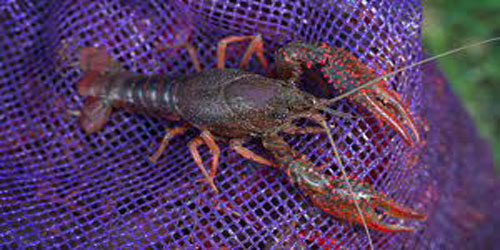 Here are 15 frequently asked questions on how to make a crawfish habitat:A soft substrate like silt or sand mimics their natural environment and allows for burrowing behavior, though it’s not strictly necessary in small-scale setups. Use an air pump with a bubbler stone or install a small fountain or waterfall to maintain high oxygen levels, especially in enclosed systems. It's best to avoid fish or amphibians that may prey on young crawfish; however, some plants or algae-eating snails can coexist peacefully. Partial water changes every few weeks and removal of excess debris helps maintain cleanliness—overcleaning can disrupt beneficial bacteria balance. Crawfish thrive in water with a pH between 6.5 and 8.0; regular testing ensures conditions remain stable and safe for growth and reproduction. Allow at least 1 square foot per crawfish to prevent overcrowding, which reduces stress and aggression among individuals. Add PVC pipes, ceramic tubes, bundles of sticks, or rocks to create hiding places where crawfish can molt safely and avoid conflict. Cycle by introducing beneficial bacteria through existing pond water or bacterial supplements before adding crawfish to establish a healthy nitrogen cycle. Yes, greenhouses allow for climate control and extended growing seasons, making them ideal for year-round crawfish farming in cooler regions. Acclimate them gradually by floating the bag in the habitat and slowly adding water over 30 minutes before releasing them into the environment. Fungal infections, white spot syndrome, and bacterial shell rot can occur—maintaining clean water and quarantining new stock helps prevent outbreaks. Yes, indoor habitats using tanks or tubs work well as long as water quality, oxygen levels, and lighting are properly managed. Signs of success include active movement, molting, breeding, and steady population growth without signs of disease or excessive mortality. Feed every other day or as needed based on consumption—crawfish eat algae, detritus, and plant matter, so supplement only when natural food sources are low. Basic setups can be completed in a single day, while more complex systems with filtration or recirculation may take a few days to install and cycle. "Want To Raise Healthy Crawfish? Get Gerard Dawn's Ebook That Will Guide You On How To Raise Healthy Profitable Crawfish For Meat, In Your Own Farm Yard Even If You're
|

How To Raise Crawfish Contact Us Terms of Use Privacy Policy About Us FAQ Site Map