
Small Scale Cod Farming Frequently Asked Questions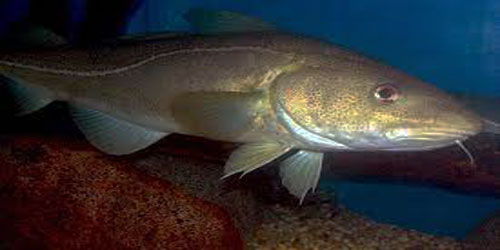 Here are 15 frequently asked questions on small scale Cod farming:Initial costs vary but generally range from a few hundred to several thousand dollars depending on system size, location, and equipment quality. Essential gear includes tanks or cages, a filtration system, aeration, water pumps, heaters or chillers, feed, and fingerlings. Fingerlings are available from certified marine hatcheries, government fisheries programs, or aquaculture suppliers specializing in cold-water species. It typically takes 2–3 years for cod to reach market weight, depending on water temperature, diet, and farming conditions. Use high-protein, marine-based pellets formulated for carnivorous fish, or explore sustainable alternatives like insect-based or plant-derived feeds. Depending on your region, you may need local permits, especially if using natural water bodies or selling your fish commercially. Regularly test for pH, ammonia, nitrite, and salinity levels, and use mechanical and biological filters to keep the habitat healthy and stable. Cod are predatory and territorial, so they're best farmed alone or with compatible species in polyculture systems that support ecological balance. Common issues include bacterial infections, parasites like sea lice, and fungal growths—good hygiene and quarantine practices help prevent outbreaks. Harvesting involves carefully netting the fish and using humane methods like ice slurry immersion to ensure freshness and quality. Yes, many small farmers sell directly to consumers, local markets, or restaurants—check local regulations for licensing and food safety standards. Most systems rely on electricity for pumps, aeration, and temperature control, though solar or battery backups can be used for off-grid setups. A minimum of 1,000 liters is recommended to provide enough space and stable conditions for healthy cod growth. Begin by reading beginner-friendly guides, joining aquaculture forums, and connecting with local fishery extension services or homesteading groups. Cod offers high nutritional value, strong market demand, and historical significance, making it a rewarding choice for those interested in sustainable seafood and self-reliance. "Want To Raise Healthy Cod Fish? Get Gerard Dawn's Ebook That Will Guide You On How To Raise Healthy Profitable Cod Fish For Meat, In Your Own Farm Yard Even If You're Just Starting Out In Cod Fish Farming..."
|

How To Raise Salmon Contact Us Terms of Use Privacy Policy About Us FAQ Site Map