
Raising Clams Frequently Asked Questions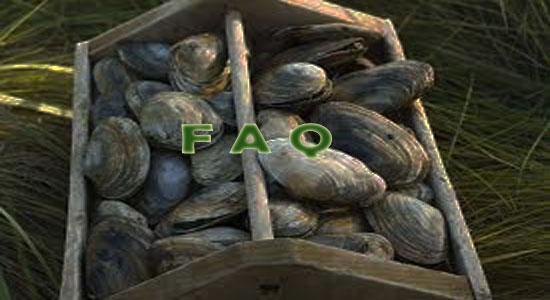 Here are 15 frequently asked questions about raising clams:To start a clam farm, you need access to suitable coastal waters, preferably with sandy or muddy bottoms. You'll also require permits, knowledge of local regulations, and equipment for planting and harvesting clams. Good water quality and suitable salinity levels are essential for successful farming. How To Raise Clams While both involve cultivating shellfish, clam farming focuses on species like hard clams or soft-shell clams, which burrow into the sediment, whereas oyster farming typically involves growing oysters on racks or in cages. The techniques, equipment, and environmental requirements can vary significantly between the two. 12 Things To Know Before You Start Raising Clams Raising shellfish provides numerous benefits, including sustainable food production, environmental restoration, and habitat enhancement. Shellfish filter water, improving water quality, and their farming can create jobs and support local economies. A hatchery is essential for producing clam seed (larvae) in a controlled environment. It allows farmers to ensure high-quality seed stock, which can improve overall yields and help replenish wild populations, supporting sustainable management practices. Up-wellers and down-wellers are systems used in clam hatcheries to grow juvenile clams. Up-wellers circulate water from below, providing oxygen and nutrients, while down-wellers allow water to flow down through the clam beds. Both systems optimize growth conditions for clams. Nursery rafts are floating structures used to grow juvenile clams in the water column. They provide protection from predators and allow for better water circulation and access to food, promoting faster growth and survival rates. Yes, clams can transmit diseases if harvested from polluted waters. Typhoid fever is caused by Salmonella typhi, which can contaminate shellfish. It is essential to harvest clams from clean, certified waters and follow proper cooking guidelines to prevent foodborne illnesses. Clam depletion can result from overfishing, habitat destruction, and pollution. To prevent depletion, sustainable farming practices should be implemented, including regulating harvest levels, protecting habitats, and restoring populations through hatchery programs and environmental conservation efforts. Farm-raised clams generally have a more consistent supply, are often harvested sustainably, and can be produced in controlled environments that minimize exposure to pollutants. This can lead to improved quality and safety for consumers compared to some wild-caught clams. Clam farming can positively impact the environment by enhancing water quality through natural filtration and providing habitat for other marine organisms. Sustainable practices can help protect coastal ecosystems and promote biodiversity while ensuring food security. Common health issues include diseases caused by bacteria, viruses, or parasites. Shell deformities and poor growth can also occur. Regular monitoring and maintaining good water quality help prevent these issues. Clams are typically harvested by hand or with specialized equipment, such as dredges or rakes, depending on the size of the clam beds and the farming method. Harvesting should be done carefully to avoid damaging the clams or their habitat. Protect clam beds from extreme weather by monitoring water conditions and providing shelter if necessary. In areas prone to severe weather, consider using protective measures like barriers or relocation to more sheltered areas. Maintain good water quality, use appropriate substrates, and monitor clam growth and health regularly. Implement biosecurity measures to prevent disease and manage predators. Proper site selection and management practices are essential for success. Yes, clams can be raised in tanks or recirculating aquaculture systems. These systems allow for better control of environmental conditions and can be used for both freshwater and marine species. Raising clams provides a source of high-quality seafood and can be a profitable business. Clam farming also helps improve water quality through filtration and can contribute to coastal habitat restoration. Challenges include managing water quality, preventing and controlling diseases, and dealing with environmental fluctuations. Additionally, predators and competition for resources can impact clam growth and survival. Clam waste includes organic matter and detritus from feeding and excretion. Proper waste management involves regular cleaning and monitoring of the farming area to prevent the buildup of waste and maintain water quality. Regulations vary by region and may include guidelines on environmental protection, harvesting quotas, and permits. It is important to check local and national regulations and obtain any necessary permits or licenses for clam farming. "Want To Raise Healthy Clams? Get Gerard Dawn's Ebook That Will Guide You On How To Raise Healthy Profitable Clams For Meat, In Your Own Farm Yard
|

How To Raise Oysters Contact Us Terms of Use Privacy Policy About Us FAQ Site Map