
Small Scale Camel Farming Frequently Asked Questions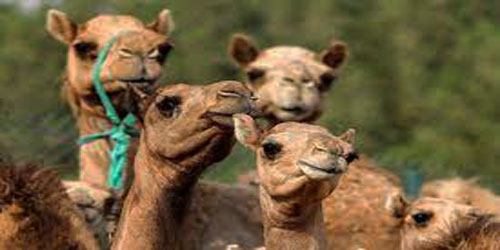 Here are 15 frequently asked questions on small scale Camel farming:Camels thrive on dry grasses, shrubs, and thorny vegetation that other livestock avoid, making them ideal for low-resource environments. Camels can go several days without water but should have daily access; they drink large amounts quickly when available. Yes, camels can coexist with small ruminants but should have separate feeding areas due to different dietary preferences. Camels are disease-resistant but still benefit from routine deworming and occasional vet checkups, especially during illness or birthing. The gestation period for camels is approximately 13 months, after which they typically give birth to one calf every two to three years. Yes, camel milk is not only safe but highly nutritious, rich in vitamins, proteins, and immune-boosting properties. Yes, though it has lower fat content than cow’s milk, camel milk can be used to produce yogurt and soft cheeses using specialized techniques. Regulations vary by country and region—some may require permits or zoning approval before keeping camels on your property. Camels typically live between 40 to 50 years, offering long-term productivity in milk, breeding, and labor for small-scale farmers. Yes, camels are excellent pack animals and can help move goods or equipment across rough terrain without fuel or machinery. Camel dung is dry and easy to collect—it can be composted or dried for use as fuel, fertilizer, or soil enhancer. Absolutely—camels provide food, fiber, fuel (dung), and transport, making them ideal companions for homesteaders seeking independence. Yes, camel milk, cheese, wool, and leather products are gaining popularity in niche markets, offering potential income for small-scale producers. No, camels are lighter on the land—they graze selectively, avoid overgrazing, and their padded feet reduce soil erosion. If you're in a dry climate, seeking self-sufficiency, or looking for sustainable livestock options, camel farming could be an ideal fit for your lifestyle. "Want To Raise Healthy Camels? Get Gerard Dawn's Ebook That Will Guide You On How To Raise Healthy Profitable Camels In Your Own Farm Yard Even If You're Just
|

How To Raise Camels Contact Us Terms of Use Privacy Policy About Us FAQ Site Map