
Camel Farming For Self Sufficiency Frequently Asked Questions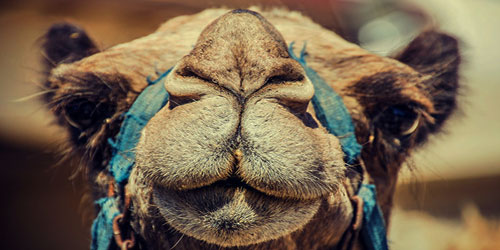 Here are 15 frequently asked questions on camel farming for self sufficiency:Camels can graze on thorny bushes, dry grasses, and salty vegetation that most livestock avoid, reducing the need for expensive or specialized feed. Camels have a longer gestation period (around 13 months) but are generally good mothers; breeding can be managed naturally with proper herd structure. Camels typically live between 40 to 50 years, with females producing milk for many seasons, providing long-term value for self-sufficient homesteads. Yes, camels are known as the “ships of the desert” and are still widely used for riding and carrying heavy loads across difficult terrain. Yes, camel meat is lean, low in fat, and high in protein—often reserved for special occasions or times of scarcity in traditional cultures. Camels are naturally disease-resistant but still benefit from basic healthcare, deworming, and occasional vaccinations depending on location. Camels require large grazing areas but are less damaging to the land than cattle, making them ideal for rotational grazing and sustainable land use. Camels are intelligent and can be trained for riding, packing, and even milking with patience and consistent handling from a young age. Yes, starting with just one or two camels is possible, especially if you're focusing on milk production or breeding for future expansion. Camels tolerate extreme weather well but benefit from shade in hot climates and windbreaks in cold or windy areas for optimal health and comfort. Laws vary by country and region—some places may require permits for exotic animals, so always check local regulations before starting your farm. Camels contribute to energy independence by providing fuel (dung), food, clothing materials, and transport without reliance on external systems. Yes, camels can be kept alongside goats and sheep but should be monitored due to their size and different grazing habits. Challenges include limited access to expertise, higher initial investment, slower reproduction cycles, and fewer support networks compared to traditional livestock. While not always highly commercialized, camel farming supports long-term sustainability, reduces dependency on outside resources, and offers multiple streams of utility and income. "Want To Raise Healthy Camels? Get Gerard Dawn's Ebook That Will Guide You On How To Raise Healthy Profitable Camels In Your Own Farm Yard Even If You're Just
|

How To Raise Camels Contact Us Terms of Use Privacy Policy About Us FAQ Site Map