
Small Scale Broiler Chicken Farming Frequently Asked Questions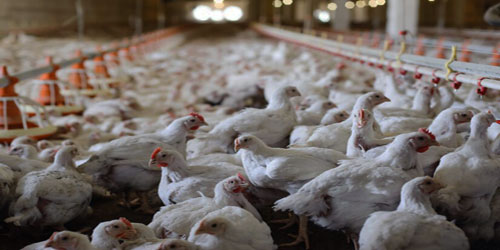 Here are 15 frequently asked questions on small scale Broiler chicken farming:Yes, many municipalities allow small flocks; use mobile coops or enclosed runs to comply with rules and manage odor and noise. Most broilers reach market weight in 6 to 8 weeks, depending on breed, feeding, and management practices. Use high-quality starter and grower feeds with 20–22% protein for optimal growth, or opt for organic and non-GMO options if desired. Practice regular cleaning, spot-check bedding, and consider the deep litter method to manage waste and reduce odors effectively. Yes, in many areas, home processing is allowed for personal use—always follow local laws and humane handling guidelines. While not highly lucrative, selling surplus birds locally can offset costs and generate modest income for homesteaders. Use hardware cloth, secure coop locks, covered runs, and nighttime confinement to keep out raccoons, foxes, and stray animals. Maintain a brooder temperature of around 95°F during the first week, reducing it by 5°F each week until reaching room temperature. Broilers can be allowed limited outdoor access, though they’re less active than traditional breeds and still require supplemental feeding. You’ll need a brooder setup, feeder, waterer, shelter, bedding materials, and a safe space for growing birds to move comfortably. Ensure proper ventilation, maintain dry bedding, and regularly replace or turn soiled areas to avoid harmful gas accumulation. Mobile coops provide fresh ground daily, improve manure distribution, and support healthier birds through cleaner living conditions. Yes, but thoroughly clean and disinfect between flocks to prevent disease and maintain biosecurity standards. Broilers are typically market-ready at 6–8 weeks or when they reach a desirable weight of 4.5–6 pounds, depending on breed. It provides families with a reliable source of high-quality protein, reduces dependence on commercial supply chains, and supports sustainable living. "Want To Raise Healthy Broiler Chickens? Get Gerard Dawn's Ebook That Will Guide You On How To Raise Healthy Profitable Broiler Chickens For Meat, In Your
|

How To Raise Chickens Contact Us Terms of Use Privacy Policy About Us FAQ Site Map