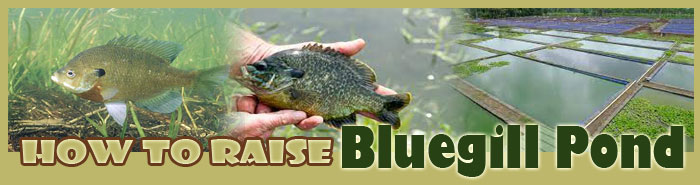
Small Scale Bluegill Farming Frequently Asked Questions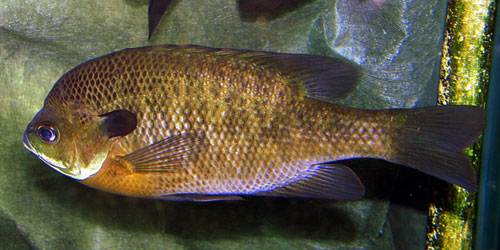 Here are 15 frequently asked questions on small scale Bluegill farming:Yes, Bluegill farming can be done in urban areas using tanks or aquaponic systems, making it accessible to city dwellers. Aeration is essential in small-scale systems to maintain oxygen levels, especially in warmer weather or higher stocking densities. Bluegills thrive in water temperatures between 65°F and 80°F. Yes, small-scale Bluegill farming can provide supplemental income by selling fish for stocking ponds, local consumption, or integrating into aquaponics. Challenges include maintaining water quality, managing stocking density, and preventing diseases or predators. Bluegills should be fed 1–2 times daily with a diet appropriate for their size and growth stage. A typical stocking density is 20–50 fish per 100 gallons, adjusted for aeration and water quality. Bluegills are relatively disease-resistant, but stress from overcrowding or poor water quality can lead to health issues. Yes, Bluegills can coexist with species like catfish or bass in larger ponds, but compatibility depends on your goals and system size. A biofilter or mechanical filter is recommended to maintain water quality in tank systems. Regulations vary by region; check local laws regarding aquaculture permits and wildlife regulations. Bluegills produce waste that acts as a nutrient source for plants, creating a sustainable, closed-loop farming system. Use nets, fences, or covered tanks to protect fish from birds, raccoons, and other predators. Harvesting is done using nets or draining the pond, ensuring you handle fish gently to maintain quality for consumption. "Want To Raise Healthy Bluegill? Get Gerard Dawn's Ebook That Will Guide You On How To Raise Healthy Profitable Bluegill For Meat In Your Own Farm Yard Even If You're
|

How To Raise Rainbow Trout Contact Us Terms of Use Privacy Policy About Us FAQ Site Map