
Making A Bluegill Habitat Frequently Asked Questions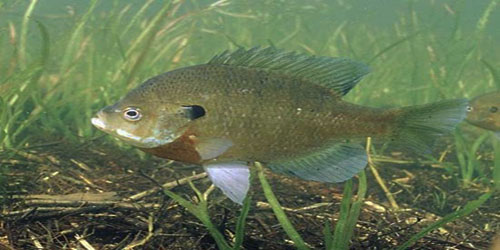 Here are 15 frequently asked questions on how to make a bluegill habitat:Oxygen levels should remain above 4 ppm to support active metabolism and growth; use aerators or fountains if natural circulation is limited. Yes, bluegill adapt well to tank culture and aquaponics when provided with proper filtration, space, and feeding, making them ideal for small-scale setups. Stock no more than 1,000 fingerlings per acre initially, adjusting based on pond fertility, management goals, and whether predator species like bass are present. Yes, adding gravel beds, submerged logs, or artificial nesting platforms encourages natural spawning behavior and improves fry survival rates. Offer a mix of commercial pellets, algae, insects, and zooplankton to meet their omnivorous diet and promote fast, healthy growth. Feed daily during warm months, reducing frequency in cooler weather; adjust portions to avoid overfeeding and maintain good water quality. Maintain balance through proper stocking, nutrient management, and the use of beneficial bacteria or barley straw to keep algae under control without harming fish. Adding complementary species like fathead minnows or channel catfish can enhance ecosystem balance, but avoid aggressive predators unless managing a sport fishery. Avoid overstocking, provide adequate nutrition, and consider introducing predator fish like bass to manage population size and encourage growth. Yes, bluegill can be raised indoors in recirculating aquaculture systems (RAS) with controlled temperature, lighting, and water quality for year-round production. Use mechanical and biological filtration to remove solids and convert ammonia into less harmful nitrates, ensuring a stable and healthy environment. Establish beneficial bacteria by cycling the system with ammonia sources before adding fish, allowing nitrifying bacteria to develop and stabilize water chemistry. While generally hardy, bluegill can suffer from parasites, fungal infections, or bacterial disease if water quality declines or stress levels increase. Observe behavior, appetite, and physical appearance regularly; test water parameters weekly and intervene early if signs of stress or illness appear. Regular maintenance includes water testing, vegetation management, feeding adjustments, harvesting strategies, and periodic restocking to sustain a productive, balanced habitat. "Want To Raise Healthy Bluegill? Get Gerard Dawn's Ebook That Will Guide You On How To Raise Healthy Profitable Bluegill For Meat In Your Own Farm Yard Even If You're
|

How To Raise Rainbow Trout Contact Us Terms of Use Privacy Policy About Us FAQ Site Map