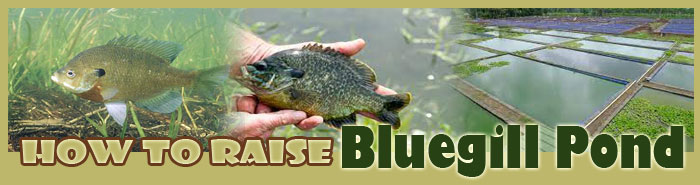
Bluegill Farming For Self Sufficiency Frequently Asked Questions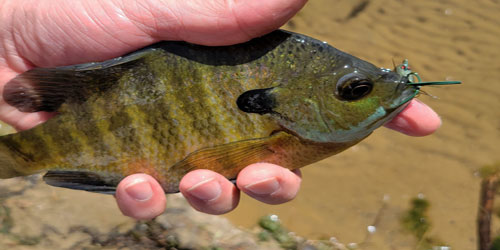 Here are 15 frequently asked questions on Bluegill farming for self sufficiency:While bluegills can feed on natural pond organisms, supplemental feed like pellets will accelerate their growth and ensure healthy development. Yes, bluegills thrive in aquaponics systems, where their waste fertilizes plants, creating a sustainable, closed-loop farming system. To start, set up a pond or tank, stock it with juvenile bluegills (fingerlings), and provide proper water quality and feeding. Yes, bluegills are hardy and low-maintenance, making them ideal for beginners and small-scale farmers. Bluegill farming provides a reliable, cost-effective source of fresh fish, reduces reliance on store-bought seafood, and can even generate income from surplus fish. In a well-maintained 1-acre pond, you can raise approximately 1000 bluegills, but the number may vary based on pond size and conditions. Regularly monitor water quality, provide adequate food, and ensure there are no contaminants or diseases in the water to keep the fish healthy. Common predators include larger fish, birds, and animals like raccoons. Using netting or protective barriers can help prevent losses. Bluegills can be harvested by netting them once they reach the desired size. It’s best to harvest in batches to maintain the population balance. Yes, bluegills breed naturally in ponds during the warmer months, especially when conditions are favorable. Bluegills can survive in cooler climates but require a deeper pond where they can retreat to warmer areas during the winter. A common stocking density for bluegills is about 1000 fish per acre, but this depends on the pond's depth and available resources. Ensure clean water, avoid overstocking, and feed high-quality food to minimize the risk of disease. Regular water testing also helps detect problems early. Yes, bluegills can be sold to local markets, recreational fisheries, or as live bait, providing a potential source of income. Bluegills are typically ready for harvest when they reach about 6-8 inches in length, but the exact size will depend on market demand or personal preference.
|

How To Raise Rainbow Trout Contact Us Terms of Use Privacy Policy About Us FAQ Site Map