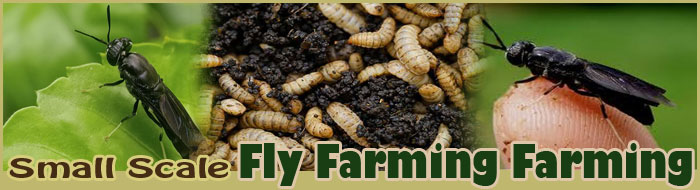
Small Scale Black Soldier Farming Frequently Asked Questions Here are 15 frequently asked questions on small scale Black Soldier farming:The complete lifecycle from egg to adult fly typically takes about four to six weeks depending on temperature, with the larval stage lasting approximately two weeks before they migrate to pupate. Black soldier fly larvae are an excellent high-protein feed source for chickens, ducks, fish, pigs, reptiles, and pet birds, providing essential amino acids and fats that support healthy growth and development. No, once you establish a breeding colony, the adult flies will lay eggs continuously in your bin, creating a self-sustaining cycle that requires minimal intervention after the initial setup phase. Black soldier flies thrive in temperatures between 75 and 85 degrees Fahrenheit, so maintaining this range ensures optimal feeding rates, rapid larval growth, and consistent breeding activity throughout the year. Mature larvae naturally self-harvest by climbing out of the feeding bin when ready to pupate, allowing you to easily collect them using a ramp or collection bucket placed at the exit point. Yes, the residual material known as frass is a potent organic fertilizer rich in nitrogen, phosphorus, and potassium, which improves soil structure and boosts plant health without chemical additives. No, adult black soldier flies do not have mouthparts capable of biting or stinging, and they do not carry diseases, making them completely safe to handle around children and household pets. You should add fresh organic waste daily or every other day depending on the size of your colony, ensuring the larvae always have enough food to grow efficiently without overloading the bin. You primarily need a ventilated container with drainage, a carbon source like cardboard or wood chips for moisture control, and a simple harvesting ramp, keeping initial costs low and accessible for beginners. Yes, you can farm flies in cold climates by moving your bins indoors or into a greenhouse during winter months, or by insulating the units to maintain the necessary warmth for activity. Black soldier fly larvae contain approximately 40 to 45 percent protein on a dry matter basis, making them a superior alternative to soybean meal or fishmeal for sustainable livestock nutrition. Properly managed black soldier fly bins actually deter houseflies because the larvae compete for resources and secrete compounds that repel other Black Soldier species, keeping your farm area cleaner. Maintain moisture by adding dry carbon materials like shredded paper or sawdust if the bin is too wet, or by misting lightly if it becomes too dry, aiming for a damp sponge consistency. Many small scale farmers generate additional income by selling excess dried larvae as premium pet feed or packaging the nutrient-rich frass as organic garden fertilizer for local customers and markets. For detailed instructions and expert tips on building and managing your system, refer to specialized guides like *How To Raise Black Soldier Fly* by Gerard Dawn for comprehensive step-by-step guidance. "Want To Raise Healthy Black Soldiers? Get Gerard Dawn's Ebook That Will Guide You On How To Raise Healthy Profitable Black Soldiers For Food, In Your Own Farm
|

How To Raise edible Black Soldiers Contact Us Terms of Use Privacy Policy About Us FAQ Site Map