
Small Scale Bison Farming Frequently Asked Questions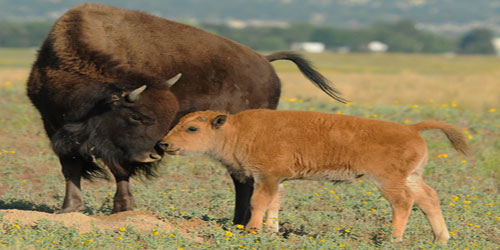 Here are 15 frequently asked questions on small scale bison farming:While the initial investment in fencing and land management can be significant, small-scale bison farming can be cost-effective in the long run due to their low maintenance needs. Bison are strong and agile, so it’s essential to use high, strong fencing. A typical recommendation is woven wire or steel panel fencing at least 5-6 feet high to prevent escapes. Bison meat typically sells for a premium price compared to beef, ranging from $8 to $20 per pound, depending on the cut and market demand. Starting with 5 to 10 bison is a manageable number for a beginner. It allows you to learn the process without overwhelming your resources or space. The American Bison is the primary breed raised for farming, known for its adaptability and high-quality meat. There are no specific sub-breeds recommended for small-scale farming. Yes, bison hides, bones, and even bison wool are valuable by-products that can be sold for leather goods, crafts, or pet products. Yes, small-scale bison farming can be profitable, especially with the growing demand for bison meat and by-products in niche markets. However, success depends on proper management and market research. Bison are adaptable to various climates but thrive in cooler regions. They are well-suited for the Midwest, Northern Plains, and even mountainous areas with harsh winters. Bison grazing helps maintain healthy grasslands by preventing overgrowth, promoting plant diversity, and increasing soil aeration. Their hooves help reduce soil compaction and improve water retention. Depending on your location, you may need permits for raising bison, particularly related to health and safety regulations. Check with local agricultural or wildlife agencies to ensure compliance. Bison are generally healthy and require minimal veterinary care. However, regular check-ups for vaccinations and parasite control are necessary. They should also be monitored for injuries. Bison calves grow relatively quickly, reaching market weight (around 1,000 pounds) by 2 to 3 years of age, depending on the diet and overall health. Common challenges include fencing issues, market access, maintaining adequate pasture quality, and dealing with occasional injuries or illnesses in the herd. Bison can be raised alongside other livestock, but it’s important to consider their temperament and space requirements. They may not get along with smaller animals like sheep or goats. The best time to buy bison is during the spring or fall when herds are typically sold, and the animals are in good health after winter. It’s important to buy from reputable breeders. "Want To Raise Healthy Bison? Get Gerard Dawn's Ebook That Will Guide You On How To Raise Healthy Profitable Bison For Meat, Fiber Or Milk In Your Own Farm Yard Even
|

How To Raise Bison Contact Us Terms of Use Privacy Policy About Us FAQ Site Map