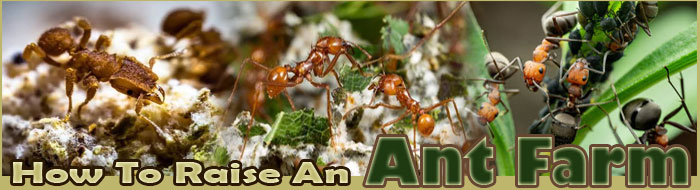
Raising Ants Frequently Asked Questions Here are 15 frequently asked questions about raising Ants:Most common ant species thrive in temperatures between 70 and 80 degrees Fahrenheit, so keeping your farm in a room-temperature environment away from direct heat sources or drafts is essential. You can maintain humidity by lightly misting the substrate with distilled water once a week or using a hydration station if your habitat includes a gel or sand substrate that dries out quickly. No, you should never mix different species of ants in the same habitat as they will view each other as threats and fight to the death, destroying both colonies. A new colony with a single queen may take several months to produce enough workers to become visibly active, as the first generation is small and focused on survival rather than expansion. If you spot mold, remove the affected area immediately with a clean tool, reduce humidity levels, and ensure you are removing uneaten food promptly to prevent further fungal growth. While most common pet ants are harmless, it is best to prevent escapes by ensuring the habitat is secure, as some species can bite or establish unwanted nests in your home. You generally do not need to clean the entire farm; instead, spot-clean waste areas and replace old food, as disturbing the nest structure can cause significant stress to the colony. Sand and soil allow for natural tunneling behavior and are more sustainable, while gel substrates provide food and moisture but do not support natural nest building and can spoil if not monitored. Ant queens can live for several years, with some species living up to fifteen years or more in optimal conditions, far outliving the worker ants which may only live a few months. Ants may stop digging if the substrate is too dry, too wet, or if they feel exposed to light, so check environmental conditions and ensure the nesting area is dark and secure. Yes, you can build a DIY ant farm using two panes of glass, spacers, and a frame filled with sterile sand or soil, provided you ensure it is escape-proof and ventilated. A healthy colony shows consistent activity, steady tunnel expansion, proper care of brood items, and efficient food retrieval, with no signs of excessive death or lethargy among the workers. Move the farm gently and slowly to avoid shaking the substrate, which can collapse tunnels, and try to keep the orientation consistent to prevent disorienting the ants. Keeping ants is considered ethical if you provide appropriate care, avoid over-collecting from the wild, and consider releasing local species back into their natural habitat after study. You can find advanced resources through online myrmecology forums, scientific journals on insect behavior, and specialized books like "How To Raise An Ant Farm" that detail complex husbandry techniques. "Want To Raise Healthy Ants? Get Gerard Dawn's Ebook That Will Guide You On How To Raise Healthy Profitable Ants For Food, In Your Own Farm
|

How To Raise Ants Contact Us Terms of Use Privacy Policy About Us FAQ Site Map