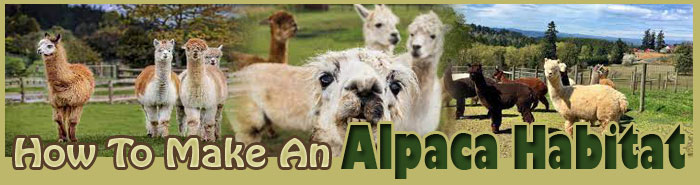
"How To Make An Alpaca Habitat 'The Healthy Profitable Way' For Fiber Or Meat In Your Own Farm Yard Even If You're Just Starting Out In Raising Alpacas"
“That's Right, This Is ABeginner's And Advanced Farmers Guide That Will Guide You On How To Make An Alpaca Habitat For Profits Or Pleasure Even If You've Never Done Any Form Of Alpaca Farming Before!"
Date:
Name: Gerard Dawn
Dear Alpaca Owner Or Farmer:
You've been searching around for information on how to raise alpacas, but you not finding enough guidelines to get you started? Or you have some questions you need answers to when raising alpacas? Well look no further because I've got the answers to all questions you may have to raising your own healthy alpacas.
Alpacas have a rich and ancient history that traces back thousands of years to the Andean regions of South America. These graceful camelids are descendants of wild vicuñas and were first domesticated by indigenous civilizations such as the Inca, who valued them highly for their fine wool and ability to thrive in harsh mountainous environments.
Long before the arrival of Europeans, alpacas played a vital role in the daily lives and economies of Andean cultures, serving not only as a source of luxurious fiber but also as pack animals and a provider of meat and hides.
Today, alpaca farming is a thriving industry focused on sustainable fiber production, eco-tourism, and animal husbandry. Their hypoallergenic fleece, low environmental impact, and sociable nature make them popular among small-scale farmers and luxury textile producers alike.
As appreciation for these remarkable animals continues to grow, so too does the recognition of their deep historical roots and enduring significance in both ancient and modern societies.
You too can raise big, healthy, profit-paying alpacas, if you will merely meet certain clearly defined alpaca requirements. If you do this, and it's easy, you need never worry about profits, you are sure to succeed.
The Benefits Of Raising Alpacas
Alpacas are prized for their soft, luxurious fleece, which is lightweight, durable, and hypoallergenic, making it highly sought after in the textile industry.
Alpacas are gentle on the land; they graze without tearing up roots, have soft padded feet that reduce soil erosion, and require less feed and water compared to many other livestock animals.
Alpaca farming offers multiple income streams from fiber sales, breeding stock, eco-tourism, and value-added products like yarn and apparel, making it a versatile and sustainable agricultural enterprise.
Alpacas can be raised on relatively small plots of land, making them ideal for hobby farms or small agricultural operations without the need for large infrastructure.
Known for their calm and social nature, alpacas are easy to handle and herd, and they communicate through gentle humming and body language, making them enjoyable companions on a farm.
As awareness of sustainable and ethical fashion increases, so does the demand for alpaca fiber, offering farmers access to expanding international markets and premium pricing opportunities.
As you see there are lots of benefits as to why one would want to raise their own alpacas. When done right alpaca farming can be very rewarding and can bring some good profits as well. But it is very important that you know what you are doing when starting out because you can easily make costly mistakes.
Weather you want to learn how to be a alpaca farmer or just want to master the art of producing fiber, and tenda meat, having the correct information is needed to start your new hobby. Without information we would all be floundering in the dark. Knowing where and how to start with raising alpacas will prevent your dream from becoming a disaster, so keep on reading...
Now How Can You Get It All In One Place?
If you want simple, easy read information on raising alpacas and enjoy all the benefits of owning alpacas, all in one place, finally there's now a complete guide to successful alpaca farming.
Introducing...
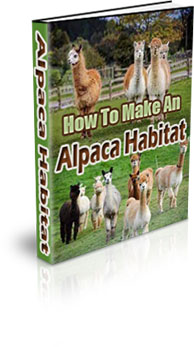
How To Make An Alpaca Habitat
Creating a suitable alpaca habitat is essential for ensuring the health, happiness, and productivity of these gentle and valuable animals. Alpacas are native to the high-altitude regions of the Andes, where they have adapted to rugged terrain and cool temperatures..
When designing a habitat for them in other parts of the world, it’s important to mimic their natural environment as closely as possible while also addressing local climate conditions and farming goals.
A well-planned alpaca habitat begins with adequate space. Alpacas are social herd animals and should never be kept alone. Ideally, each alpaca requires about 250 to 300 square feet of grazing area, though this can vary depending on the quality of the pasture. Rotating pastures is highly recommended to prevent overgrazing and reduce parasite load, promoting better long-term land management and animal health.
While alpacas are hardy animals, they need protection from extreme weather, especially intense heat, heavy rain, or snow. A three-sided shed or barn that allows for good airflow and stays dry is usually sufficient. In hotter climates, shade structures and access to fresh water become even more vital to help alpacas regulate their body temperature and avoid heat stress.
Fencing should be sturdy and secure, not only to keep alpacas contained but also to protect them from predators such as dogs or coyotes. Alpacas are naturally curious and may test weak spots in fencing, so using strong materials like woven wire or electric netting is advisable.
Building an alpaca habitat involves thoughtful planning around space, shelter, fencing, terrain, and nutrition. When done right, it creates a safe, thriving environment where alpacas can flourish, offering farmers sustainable fiber production, companionship, and a rewarding agricultural experience.
"How To Make An Alpaca Habitat" is a complete ebook that will guide you on how to raise a healthy alpacas and get the most profit you can from them even if you're an absolute beginner.
In detail you will discover:
The Fascinating World of Alpacas
Importance of a Suitable Habitat
Evaluating the Space Requirements
Considering Environmental Factors
Resource Planning for a Successful Alpaca Habitat
Designing the Ideal Alpaca Habitat
Layout and Enclosure Design
Fencing and Security Measures
Shelter and Protection from the Elements
Creating Feeding Areas
Watering Systems and Maintenance
Understanding Alpaca Grazing Behavior
Pasture Planning and Rotation
Soil Management and Fertilization
Plant Selection for Optimal Nutrition
Weed Control and Pest Management
Alpaca Dietary Requirements
Feeding Strategies and Feed Sources
Identifying Common Health Issues
Veterinary Care and Vaccination Protocols
Routine Maintenance and Monitoring
Understanding Alpaca Behavior
Implementing Enrichment Activities
Exercise and Socialization
Training Techniques and Bonding with Alpacas
Seasonal Considerations and Weather Preparedness
Adapting to Seasonal Changes
Winterizing the Alpaca Habitat
Heat Management and Summer Precautions
Securing the Habitat Against Predators
Implementing Safety Measures for Alpacas
Dealing with Alpaca Behavioral Issues
Maintaining a Happy and Healthy Alpaca Habitat
It's All About Alpaca Farming
A lot of people think that raising alpacas requires a lot of work and care. But that's not totally true. Raising your own alpacas doesn't require that much work as you think it would. Alpacas do well without any assistance since they are versatile creatures.
If you are a beginner farmer who has a large grass land, you can have no problem in raising grass-feed alpacas. You can grow your alpacas in pasture all year round and reduce your expenses in buying feed. Reducing your cost will ensure that you make more profits in the long run.
You can be thinking of raising alpacas as pets, you maybe thinking of raising alpacas because you want to help improve an agricultural landscape or you may want to raise for profit. What ever reason you may have to raising alpacas you have to get the right guidelines in order to have healthy alpacas.
"Look At What Other Farmers Say About How To Make An Alpaca Habitat!"
"From Novice to Confident Alpaca Keeper A Game-Changing Guide"
When I first decided to start raising alpacas, I had no idea where to begin. I knew they were gentle animals with beautiful fleece, but that was about it. That’s when I found *"How to Make an Alpaca Habitat"*—and it changed everything.
This book gave me the confidence and knowledge I needed as a complete beginner. The step-by-step instructions were clear, practical, and easy to follow, even without any prior experience in animal husbandry or farming. From choosing the right land and setting up fencing to building shelters and managing pasture rotation, every detail was explained in a way that made sense. Within weeks of applying what I learned, I had a safe and comfortable habitat ready for my first pair of alpacas.
Now, they’re thriving, and I’ve even started offering tours and fiber workshops on my small homestead. If you're new to alpaca farming like I was, this book is your essential starting point.
Thanks!
Adam Salian.
"Building the Perfect Home for My Alpacas Was Easier Than I Thought"
Gerard,
I bought *"How to Make an Alpaca Habitat"* after realizing how much misinformation exists online about raising alpacas. I wanted something reliable and comprehensive that wouldn’t leave me guessing.
What I got was far beyond my expectations. This eBook not only answered all my questions—it anticipated them. It covered everything from climate considerations and predator-proofing to feeding stations and terrain management. As someone who never imagined myself as a farmer, I was amazed at how accessible and doable the process became after reading this guide.
I followed the habitat-building plan exactly and now have a peaceful, well-organized space where my alpacas feel safe and content. The book also helped me avoid costly mistakes and save money by using smart design choices. Whether you're planning a small herd or a full-scale operation, this guide gives you the tools to succeed.
Thank you again!
Mike Sammut.
"A Must-Have Resource for First-Time Alpaca Farmers"
Before discovering this book, I spent hours searching forums and watching videos trying to piece together how to properly set up an alpaca habitat. It was overwhelming and frustrating—until I found *"How to Make an Alpaca Habitat."*
This book is like having a seasoned alpaca farmer guiding you through every decision. The author clearly understands the mindset of a beginner and breaks down complex topics into simple, actionable steps. What really stood out to me was the focus on sustainability and long-term care, not just a basic setup guide.
Thanks to this book, I built a functional, healthy habitat that supports my alpacas’ well-being and productivity. I’ve already recommended it to friends interested in alpaca farming because it truly makes the difference between guesswork and success.
Thank you!
Stephen Robertson.
"Empowering Beginners Like Me to Start Strong"
As a city dweller turned rural homesteader, I didn’t know the first thing about raising livestock. But after falling in love with alpacas online, I decided to take the plunge—and I’m so glad I did. *"How to Make an Alpaca Habitat"* was my go-to resource throughout the entire process.
From day one, the book walked me through selecting the best location, designing shelter layouts, and understanding fencing needs. I especially appreciated the visuals and real-world examples that made abstract ideas feel tangible. The author didn’t just tell me what to do—they explained *why* things matter, which helped me make informed decisions.
Today, my alpacas are happy, healthy, and adjusting beautifully to their new home. If you're thinking about getting into alpaca farming, stop searching and buy this book—you won’t regret it.
Jefferson Flynn.
Many People Don't Know Where To Start!
Don't be one of those people who spend a fortune in getting guidance. This ebook will not only save you time on doing the research needed, but also in your pocketbook.
This guide won't leave you hanging not knowing what to do next. Its a step by step alpaca farming plan that spells out your next step in plain English, you won't need to look for other information or join any other expensive alpaca farming training course once you have this guide in your disposal.
But once you decide to get your copy today you will also receive these following detailed guides...
Detailed Guide #1
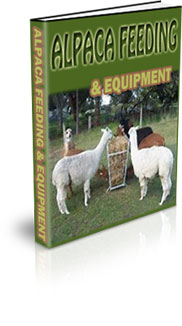
Alpaca Feeding And Equipment
Alpacas usually need nutritious food regularly to be healthy, happy and contended.
A diet that is high in energy, low in fiber and supplemented with ample of protein is considered ideal and wholesome to ensure the upward and steady growth of alpacas.
Alpacas can not be called a alpacas unless it loves its food. Its feeding habits are characterized with rooting and pleading for more food and eating food with a great gusto and relish.
However, in spite of your alpacas being constantly obsessed with the idea of eating food, it does not mean you submit to its obsession.
There is a specific and regulated pattern of feeding and eating habits for your alpacas and before you give your alpacas that extra morsel of food, ponder again!
With this ebook you will discover:
Healthy Alpaca Feeding
Alpacas Natural Diet
Organic Alpaca Feed
Alpacas Feeding Chart
Alpacas Feeding Equipment
This is a must have guide for every farmer who wants to proper feed their alpacas, its a complete ebook to healthy alpaca farming that will ensure that you feed your alpacas the right nutrients from a young age.
+
Detailed Guide #2
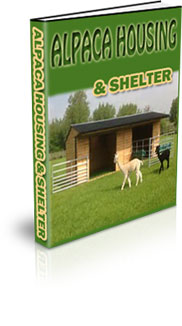
Alpaca Housing And Shelter
When just beginning in raising alpacas the first thing you have to prepare is land and housing.
Raising alpacas requires you to build a proper house for them. The housing provides the alpacas with shade from the hot sun and keeps them warm in the winter.
Alpacas house can be designed using wire, fencing hardware and hay. And house should be well ventilated as well and be kept clean.
Believe it or not but alpacas are clean animals and don't like to defecate their own pens but that doesn't mean you can't help them out.
With this ebook you will discover:
Alpacas Housing Requirements
Alpacas Odor Control
Alpacas Housing Types (with measurements)
Alpacas Housing Systems
Alpacas House Equipment
With "Alpacas Housing And Shelter" you’ll be amazed at how simple and easy it is to proper house your alpacas. You will get all the different options to housing and the required equipment for alpaca farming.
How Much Is That Worth To You?
"How To Make An Alpaca Habitat" retails for $167. But today we have reduced our price to get you started and are offering it to you for only $47. All of the information on raising healthy alpacas is simple to understand with images to guide you. You'll never find a guide that guides to on raising alpacas in one ebook.
This guide eliminates the time you will spend searching for incomplete information about raising alpacas. You don't have to purchase a guide on feeding alpacas alone, then buy yet another guide on raising young alpacas and keeping your alpacas healthy separately, that will cost you over $100. Just by making a one time investment of $47 you will get all you need to know on raising alpacas at a cost of the price.
You've never seen such a good offer, right? But to make you even more comfortable about your investment, I'll offer you my....
My 3 Month Money Back Guarantee!
EFFORTLESSLY START YOUR OWN ALPACA FARM 100% AT MY RISK WITH A FULL 90 DAY MONEY BACK GUARANTEE
If You Serious About Starting An Alpaca Farm Then This Is Your Guide
When getting into alpaca farming you should get your production goals set before you buy your alpacas. Will you be raising your alpacas on pasture? How are you going to manage your alpacas in the winter seasons? Are you going to pasture your young alpacas? You should also consider your costs for each traits?
You should also consider the type of climate you want to raise your alpacas and the ranch in which you are going to raise your alpacas. What are the advantages and disadvantages? Knowing this will help you in planning ahead and reducing the chances of getting unexpected expenses.
So if you are serious about becoming a successful alpaca farmer, your first step is getting a copy of this guide. Once you get used to how alpacas are managed you can be sure that you will produce high quality meat plus fiber and make a fortune from the alpaca farming industry.
"The Ultimate Blueprint for Raising Happy, Healthy Alpacas"
I purchased *"How to Make an Alpaca Habitat"* before bringing home my first alpacas, and it was the best investment I made. I’ve read several books on small-scale farming, but none were as thorough and beginner-friendly as this one. Every chapter was packed with useful information presented in a way that felt both professional and approachable.
I loved how the book addressed common pitfalls and offered practical solutions—like preventing mud buildup and managing parasite control through pasture rotation. Following the guidance inside, I created a clean, organized, and stress-free environment for my alpacas that supports their natural behaviors and keeps them healthy.
I’ve since expanded my herd and started selling fiber products—all thanks to the strong foundation this book provided. If you want to get it right the first time, this is the guide to follow.
Thank You!
Richard Mann.
"More Than Just a Manual – A Mentor in Book Form"
This book exceeded all my expectations. *"How to Make an Alpaca Habitat"* doesn’t just give you a list of supplies and instructions—it feels like having a mentor walk you through every step of the process.
The author shared personal insights, helpful tips, and even troubleshooting advice that saved me time and frustration. I went from zero knowledge to confidently building a fully functional alpaca habitat in just a few weeks. The chapters on shelter design, fencing options, and feeding systems were particularly valuable.
I also appreciated the emphasis on creating a low-stress environment that promotes good health and social bonding among the herd. Today, my alpacas are thriving, and I’m already planning to scale up my operation. This book deserves five stars and then some—it’s the ultimate companion for anyone serious about alpaca farming.
Anya Chung.
Nothing, Absolutely Nothing, Is Left Out!
For successful alpaca farming, it is very important that you know what you are doing so to avoid failures. You have to know how to feed and give proper shelter for your alpacas. You will have to know how to early notice and treat different types of health matters and diseases that will be of harm to your livestock.
And when it come to alpaca farming this is the only guide that covers every aspect of raising healthy alpacas. It's a complete guide to being a productive alpaca farmer. So if you want to raise healthy alpacas, make sure you have this ebook for guidance and reference!
(Instant Download)
Best Regards,
P.S. Whether you're a first-time farmer or a seasoned livestock keeper, creating the perfect alpaca habitat is the key to raising healthy, happy animals—and this guide gives you everything you need to get started the right way.
P.P.S. Alpacas aren’t just adorable—they’re a sustainable, profitable, and rewarding addition to any farm. With the right habitat, you’ll be on your way to enjoying soft fiber, peaceful pastures, and a thriving herd.
"The Next Step Is Yours". Grab this one of its kind alpaca farming ebook that will guide you on how to be a successful farmer today, don't waste anymore of your time trying to find incomplete information on raising alpacas, get your guide to alpaca farming just by investing in this guide.....
Yes, Gerard I Too Want To Raise Healthy Alpacas!
Yes, I Want Instant Download To This Ebook!
Yes, I Want It Now While It's Only $47!
(Important) I understand that this is an electronic book (e-book) that is downloaded and delivered in PDF format not by mail. It can be read or printed out from any computer that has adobe reader or from your Iphone and Ipad (immediately after payment). The download link will be sent to your Paypal or Clickbank email address.
I understand that this ebook will help me start a successful Alpacas farm even if I'm an absolute beginner and haven't tried raising livestock before.
And I understand that by making a one time investment I will receive the following alpaca farming ebooks:
How To Make An Alpaca Habitat - Which will guide me on how to raise profitable alpacas in my very own farm. I will discover how to care for them and profit from their produce.
Alpaca Feeding And Equipment - This is a complete ebook on how to proper feed my alpacas and make sure they get enough nutrients to grow healthy and strong.
Alpaca Housing And Shelter - With this ebook I will get guidelines with dimensions on how to build and proper house my alpacas making sure they are well protected.
Get the one and only guide to successful alpaca farming by adding this guide to your cart below and make a one-time Investment.
You will then be redirected to the secure members area where you will get immediate access to download your "How To Make An Alpaca Habitat" ebook plus the two detailed guides. Another copy will be sent to your e-mail inbox.
Take Advantage Of This Discount Price And Secure Your Copy Now!
=============================================
[Option 1] - How To Make An Alpaca Habitat (No-Detailed Guides)
- How To Make An Alpaca Habitat
- Alpaca Feeding And Equipment
- Alpaca Housing And Shelter
=============================================
[Option 2] - How To Make An Alpaca Habitat (With-Detailed Guides)
Learn how to create the perfect alpaca habitat with expert tips on shelter, fencing, pasture management, and climate considerations for healthy, happy alpacas, ideal for farmers and homesteaders seeking sustainable livestock solutions.
Frequently Asked Questions!
What is the best location for an alpaca habitat?
Choose a well-drained area with access to shade, shelter from extreme weather, and good airflow to keep alpacas comfortable and healthy.
How much space do alpacas need in a habitat?
Each alpaca requires around 250–300 square feet of grazing space, though this may vary depending on pasture quality and rotational grazing practices.
Do alpacas need a barn or shelte?
Yes, alpacas benefit from a three-sided shelter or barn that protects them from rain, snow, wind, and excessive sun exposure.
What kind of fencing is best for alpaca habitats?
Use sturdy woven wire or electric netting fencing at least 4 feet high to keep alpacas secure and predators out.
Can alpacas live in cold climates?
Alpacas tolerate cold well due to their thick fleece but still require windbreaks and dry bedding during winter months.

 Alpacas are prized for their soft, luxurious fleece, which is lightweight, durable, and hypoallergenic, making it highly sought after in the textile industry.







 - How To Make An Alpaca Habitat
 - Alpaca Feeding And Equipment

 What is the best location for an alpaca habitat?