
Small Scale Alpaca Farming Frequently Asked Questions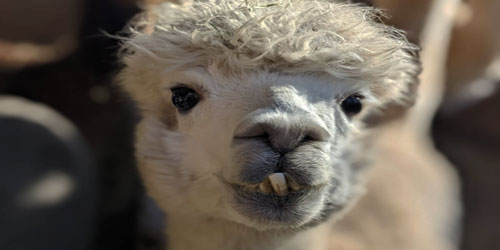 Here are 15 frequently asked questions on small scale alpaca farming:Alpacas should be sheared once a year, usually in the spring, to remove their fleece and prevent overheating during the warmer months. An adult alpaca typically produces about 5 to 10 pounds of fleece annually, depending on its size and breed, which can be processed into yarn or other products. Yes, alpacas are well-suited for cold climates because their fleece provides natural insulation. However, they still need shelter from extreme weather conditions. No, alpacas are relatively small animals and don’t require a lot of space. Around 1-2 acres can comfortably support a small herd of alpacas. Income can be generated through the sale of fleece, breeding stock, alpaca-related products (like clothing), or by offering agritourism experiences, such as farm tours. Alpacas can live for around 15-20 years, with some living even longer, making them a long-term investment for small-scale farmers. Yes, alpacas are social animals and thrive in groups. It’s best to keep at least two alpacas together to ensure they remain happy and healthy. The two main types of alpacas are Huacaya and Suri. Huacayas are the most common and are ideal for beginners due to their dense fleece, while Suris have silkier fleece but may require more grooming. Alpacas can range in price from a few hundred dollars for non-breeding stock to several thousand dollars for high-quality breeding animals. Costs vary depending on breed, age, and quality of fleece. Alpacas require basic shelter to protect them from harsh weather, like strong winds or heavy rain, but they don’t need elaborate structures. A simple three-sided barn or shed will suffice. Breeding alpacas involves selecting a suitable mate, managing the female’s breeding cycle, and ensuring proper care during pregnancy and birth. It’s best to consult with an experienced breeder to ensure a successful breeding program. Alpacas generally get along with other animals, but it’s best to avoid mixing them with aggressive or dominant animals like dogs or goats. They do well with other alpacas and compatible livestock, like sheep. Alpacas need access to fresh, clean water at all times. They generally drink 1 to 2 gallons of water per day, though this can vary depending on the weather and their activity level. Common health issues in alpacas include parasites, respiratory infections, and dental problems. Regular vet check-ups and proper care can prevent many health concerns. Yes, small-scale alpaca farming is a great option for beginners. Alpacas are easy to manage, and with proper guidance and research, even novice farmers can successfully raise them for fiber or breeding. "Want To Raise Healthy Alpacas? Get Gerard Dawn's Ebook That Will Guide You On How To Raise Healthy Profitable Alpacas In Your Own Farm Yard Even If You're Just
|

How To Raise Alpacas Contact Us Terms of Use Privacy Policy About Us FAQ Site Map