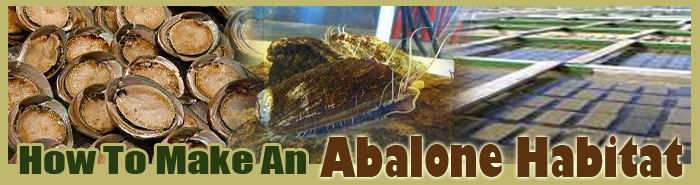
This Complete Guide Shows You... "How To Make A Abalone Habitat 'The Healthy Profitable Way' For Meat In Your Own Abalone Farm Even If You're Just Starting Out In Abalone
|
 By providing a sustainable alternative to wild harvesting, abalone farming helps reduce overfishing and allows natural populations to recover.

|
"From Hobbyist to Aquaculture Enthusiast – A Life-Changing Guide" Before discovering *"How to Make an Abalone Habitat"*, I had no idea where to begin with marine aquaculture. As someone who’s always loved the ocean but never thought I could actually raise sea life at home, this eBook completely changed my perspective. The step-by-step instructions were so clear and beginner-friendly that I was able to set up my first small abalone habitat in just a few days. What really impressed me was how the author broke down complex topics like water salinity, algae nutrition, and tank maintenance into simple, digestible lessons. Now, not only do I have thriving abalones, but I’ve also gained a new passion for sustainable aquaculture. This guide is perfect for anyone curious about marine farming—no experience needed! Joshua Vincent. |
|
"Turning Passion into Purpose with Practical Guidance" I purchased *"How to Make an Abalone Habitat"* as part of a personal mission to support local marine conservation efforts. I’m not a scientist or a farmer by trade, but I wanted to contribute in a meaningful way. This book gave me the confidence and tools to start my own mini-habitat project. From selecting the right substrate to understanding feeding cycles, every section was packed with useful information that felt both professional and approachable. What sets it apart is its focus on sustainability and long-term care—not just a quick setup guide. It’s more than an eBook; it’s a blueprint for making a difference. I now run a small educational program for kids in my community, all thanks to the foundation this book provided. Allyson Kemp. |
|
"A Must-Have Resource for New Aquaculture Farmers" Hi Gerard, As a first-time aquaculture farmer looking to diversify my operations, I stumbled upon this eBook and it was exactly what I needed. The author anticipated every possible question a beginner might have—from budgeting for equipment to troubleshooting water quality issues. I especially appreciated the real-world examples and tips on sourcing affordable materials. Unlike other guides I’ve read, this one doesn’t assume prior knowledge but still delivers expert-level insight. Within weeks of applying the methods outlined, I successfully raised my first batch of abalones. If you're serious about entering aquaculture but don’t know where to start, this book will guide you every step of the way. --- ### **Empowering Beginners with Confidence and Clarity** When I decided to explore marine aquaculture as a side business, I was overwhelmed by technical jargon and conflicting advice online. Then I found *"How to Make an Abalone Habitat"*. From the very first chapter, I felt like the author was speaking directly to me—a complete beginner. The language was simple, the visuals were helpful, and the instructions were easy to follow. I built my first habitat using household items and followed the guide religiously. My abalones are growing strong, and I even started a YouTube channel documenting my journey—all inspired by this book. It gave me not just knowledge, but the courage to try something new. Thank you! Amira Townsend. |
|
"The Ultimate Starter Kit for Marine Farming Success" When I first considered getting into abalone farming, I was overwhelmed by the amount of information available and unsure where to start. That’s when I came across "How To Make A Abalone Habitat," and I’m so glad I did. This ebook provides a step-by-step blueprint for success, guiding you through the entire process of raising abalone for meat production. The author’s approach is methodical and well-structured, making it easy to follow along even if you have no prior experience in aquaculture. Each chapter builds on the last, ensuring that you fully understand each aspect of abalone farming before moving on to the next. This logical progression helped me gain confidence in my ability to manage an abalone farm. One of the highlights of this ebook is its attention to detail. The author doesn’t just tell you what to do; they explain why each step is important and how it contributes to the overall success of your farm. This level of detail is particularly evident in the sections on feeding and water quality, which are crucial to raising healthy, high-quality abalone. For anyone serious about abalone farming, this ebook is an indispensable guide. It’s clear, concise, and packed with practical advice that will help you succeed in this rewarding field. Thank you! Mohamed Johns. |
Many People Don't Know Where To Start!
Don't be one of those people who spend a fortune in getting guidance. This ebook will not only save you time on doing the research needed, but also in your pocketbook.
This guide won't leave you hanging not knowing what to do next. Its a step by step Abalone farming plan that spells out your next step in plain English, you won't need to look for other information or join any other expensive Abalone farming training course once you have this guide in your disposal.
But once you decide to get your copy today you will also receive these following detailed guides...
Detailed Guide #1
|
Abalone usually need nutritious food regularly to be healthy, happy and contended. A diet that is high in energy, low in fiber and supplemented with ample of protein is considered ideal and wholesome to ensure the upward and steady growth of Abalone. Abalone can not be called a Abalone unless it loves its food. Its feeding habits are characterized with rooting and pleading for more food and eating food with a great gusto and relish. There is a specific and regulated pattern of feeding and eating habits for your Abalone and before you give your Abalone that extra morsel of food, ponder again! With this ebook you will discover:
This is a must have guide for every farmer who wants to proper feed their Abalone, its a complete ebook to healthy Abalone farming that will ensure that you feed your Abalone the right nutrients from a young age. |
+
Detailed Guide #2
|
When just beginning in raising Abalone the first thing you have to prepare is pond or shellfish tank. Raising Abalone requires you to build a proper pond for them. The pond provides the Abalone with water where they can swim and keeps them warm in the winter. Abalone pond can be designed using light and hard material you may already have in your farm. The shellfish pond that you will farm your shellfish has to be in a protected area so make sure predators would not consume your shellfish. With this ebook you will discover:
With "Abalone Pond Design And Management" you’ll be amazed at how simple and easy it is to proper build a pond for your Abalone. You will get all the different options to pond designs and the required equipment for Abalone farming. |
How Much Is That Worth To You?
"How To Make A Abalone Habitat" retails for $167. But today we have reduced our price to get you started and are offering it to you for only $47. All of the information on raising healthy Abalone is simple to understand with images to guide you. You'll never find a guide that guides to on raising Abalone in one ebook.
This guide eliminates the time you will spend searching for incomplete information about raising Abalone. You don't have to purchase a guide on feeding Abalone alone, then buy yet another guide on raising young Abalone and keeping your Abalone healthy separately, that will cost you over $100. Just by making a one time investment of $47 you will get all you need to know on raising Abalone at a cost of the price.
You've never seen such a good offer, right? But to make you even more comfortable about your investment, I'll offer you my...
|
My 3 Month Money Back Guarantee! EFFORTLESSLY START YOUR OWN Abalone FARM 100% AT MY RISK WITH A FULL 90 DAY MONEY BACK GUARANTEE |


If You Serious About Starting A Abalone Farm
Then This Is Your Guide
When getting into Abalone farming you should get your production goals set before you buy your Abalone. Will you be raising your Abalone in a pond? How are you going to manage your Abalone in the winter seasons? You should also consider your costs for each traits.
You should also consider the type of climate you want to raise your Abalone and the ranch in which you are going to raise your Abalone. What are the advantages and disadvantages? Knowing this will help you in planning ahead and reducing the chances of getting unexpected expenses.
So if you are serious about becoming a successful Abalone farmer, your first step is getting a copy of this guide. Once you get used to how Abalone are managed you can be sure that you will produce high quality meat and make a fortune from the Abalone farming industry.
|
"From Novice to Competent Abalone Farmer" If you're thinking about getting into abalone farming, stop searching and buy this eBook. I’ve read countless resources on aquaculture, but none were as comprehensive and user-friendly as this one. It walks you through everything from choosing the right species for your climate to setting up a self-sustaining ecosystem. I was amazed at how much detail was included without being overwhelming. The author truly understands the mindset of a beginner and addresses potential pitfalls before they become problems. After following the guide, I’ve seen consistent growth in my abalones and am already planning to scale up. This is hands-down the best investment I’ve made in my aquaculture journey. Giovanna Bernard. |
|
"More Than Just a Manual – A Mentor in Book Form" What struck me most about *"How to Make an Abalone Habitat"* was the tone—it felt like having a mentor guiding me through the process rather than reading a textbook. The author shared practical insights, personal anecdotes, and even troubleshooting tips that saved me time and money. I went from zero knowledge to managing a healthy habitat in under a month. Whether you’re doing this for fun, education, or profit, this book gives you the tools to succeed. It's well-organized, visually engaging, and filled with actionable steps. I can’t recommend it highly enough—this is the ultimate companion for any aspiring abalone farmer. Jair Valencia. |
Nothing, Absolutely Nothing, Is Left Out!
For successful Abalone farming, it is very important that you know what you are doing so to avoid failures. You have to know how to feed and give proper water for your Abalone. You will have to know how to early notice and treat different types of health matters and diseases that will be of harm to your livestock .
And when it come to Abalone farming this is the only guide that covers every aspect of raising healthy Abalone. It's a complete guide to being a productive Abalone farmer. So if you want to raise healthy Abalone, make sure you have this ebook for guidance and reference!
 |
 | |
|
(Instant Download)
|
||
 |
 |

Best Regards,

P.S. Creating the perfect abalone habitat isn’t just about science—it’s about giving these incredible creatures a safe, thriving home where they can grow and flourish for generations to come.
P.P.S. With the right setup and knowledge, you can replicate nature’s magic in your own tank—supporting both the environment and the future of one of the ocean’s most fascinating shellfish.
"The Next Step Is Yours". Grab this one of its kind Abalone farming ebook that will guide you on how to be a successful farmer today, don't waste anymore of your time trying to find incomplete information on raising Abalone, get your guide to Abalone farming just by investing in this guide...
|
| |
|
Yes, Gerard I Too Want To Raise Healthy Abalone! Yes, I Want Instant Download To This Ebook! Yes, I Want It Now While It's Only $47.00!
And I understand that by making a one time investment I will receive the following Abalone farming ebooks:
Get the one and only guide to successful Abalone You will then be redirected to the secure members area where you will get immediate access to download your "How To Make A Abalone Habitat" ebook plus the two detailed guides. Another copy will be sent to your e-mail inbox. Take Advantage Of This Discount Price And Secure Your Copy Now! ============================================= [Option 1] - How To Make A Abalone Habitat
============================================= [Option 2] - How To Make A Abalone Habitat
|
||
|
|
 - How To Make A Abalone Habitat
 - Abalone Feeding And Equipment

Abalona Farming Industry Overview!
Learn how to make an abalone habitat with our step-by-step guide on setting up the perfect environment using rocks, water flow, algae, and ideal tank conditions for successful abalone farming and marine conservation.
Frequently Asked Questions!
 What is an abalone habitat?
An abalone habitat is a controlled environment that mimics natural coastal conditions, providing the right water quality, surfaces, and food for abalone to grow and thrive.
Can I make an abalone habitat at home?
Yes, you can create a small-scale abalone habitat at home using a tank, filtered seawater, rocks, and a steady supply of algae or kelp.
What kind of water do abalones need?
Abalones require clean, oxygen-rich seawater with stable temperature (10–20°C) and proper salinity levels similar to their natural marine environment.
How important is water flow in an abalone habitat?
Water flow is crucial—it ensures oxygen delivery, removes waste, and simulates natural currents that support healthy abalone growth.
What type of substrate do abalones prefer?
Abalones prefer rough, textured surfaces like rocks or ceramic tiles where they can securely attach themselves using their muscular foot.
How To Raise Abalone Home Habitat Small Scale Sufficiency Contact Us Terms of Use Privacy Policy Cookie Policy About Us FAQ Site Map