
Making A Mopane Worm Habitat Frequently Asked Questions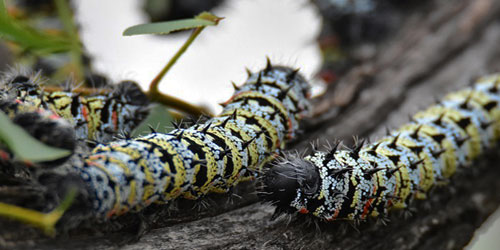 Here are 15 frequently asked questions on how to make a Mopane Worm habitat:Mopane worms thrive in warm temperatures between 20°C and 35°C; avoid extreme heat by providing shade and light misting during dry periods. Replace leaves daily or every other day to ensure freshness, as mopane worms eat constantly and will starve without a steady food supply. They get most of their moisture from fresh leaves, but lightly misting the enclosure occasionally helps maintain humidity without wetting the worms directly. It’s best to replace or sterilize soil between batches to prevent disease buildup, though some farmers compost old soil for non-edible plant use. After feeding for about 4–6 weeks, mature larvae drop to the ground and pupate in the soil, remaining in this stage for several months before emerging as moths. Yes, larger worms may cannibalize smaller ones, so separating them by size ensures more even growth and reduces stress and competition. Each worm needs at least 10–15 cm² of space to grow properly—overcrowding increases disease risk and slows development. Natural daylight is preferred, but if indoors, use indirect lighting to simulate day/night cycles without overheating the enclosure. Provide a layer of loose soil or mulch beneath the feeding area so larvae can burrow safely and complete their metamorphosis undisturbed. Ensure good ventilation, avoid over-misting, and clean droppings regularly to reduce moisture buildup that leads to mold growth. Yes, but handle them carefully and provide immediate access to fresh leaves to reduce stress and improve survival rates in captivity. No, it can be done affordably using recycled materials, local plants, and simple enclosures, making it accessible for small-scale and rural farmers. Start with no more than 50–100 worms per square meter to prevent overcrowding and ensure each has enough space and food to thrive. Farming is seasonal in nature, aligning with the rainy season and leaf availability, though partial climate control can extend the growing period. Adult moths don’t eat—they focus solely on mating and laying eggs. Provide host plants nearby so females can lay eggs for the next generation of worms. "Want To Raise Healthy Mopane Worms? Get Gerard Dawn's Ebook That Will Guide You On How To Raise Healthy Profitable Mopane Worms For Food, In Your Own Farm
|

How To Raise Snails Contact Us Terms of Use Privacy Policy About Us FAQ Site Map