
Small Scale Marron Farming Frequently Asked Questions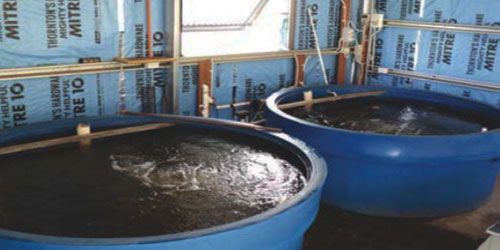 Here are 15 frequently asked questions on small scale marron farming:Juvenile marrons can be purchased from licensed hatcheries, government fisheries, or registered breeders approved for aquaculture purposes. No, regulations vary by region—always check with local authorities or agriculture departments before starting your marron farm. It typically takes 12–18 months for marrons to reach market size, depending on water conditions, feeding, and genetics. While they eat natural food sources, specially formulated marron pellets ensure optimal growth and health, especially in controlled environments. Yes, in regions with mild winters, marrons can thrive outdoors year-round, provided water quality and temperature remain stable. Yes, with proper management, marrons can provide a steady income through local sales to markets, restaurants, or direct-to-consumer channels. A general guideline is 10–20 marrons per square meter, depending on pond size, filtration, and water flow. Common issues include fungal infections, shell rot, and stress-related illnesses, often linked to poor water quality or overcrowding. In still-water systems, adding aeration helps maintain oxygen levels and supports better growth and survival rates. Use selective harvesting methods like traps or hand-picking larger individuals while allowing smaller ones to continue growing. Yes, marrons can be integrated into aquaponics systems or co-farmed with ducks, chickens, or vegetable gardens for sustainable resource use. They can be under stress or poor feeding conditions, so proper stocking density and feeding routines help minimize aggression. Regularly test pH, ammonia, and oxygen levels, and perform partial water changes to keep conditions stable and healthy. Live marrons are highly valued in niche markets, especially among seafood lovers who prefer fresh, high-quality crustaceans. Yes, agricultural extension services, online forums, and local aquaculture groups offer resources, training, and networking opportunities for small-scale marron farmers. "Want To Raise Healthy Marron? Get Gerard Dawn's Ebook That Will Guide You On How To Raise Healthy Profitable Marron For Meat In Your Own Farm Yard Even If You're |

How To Raise Rainbow Trout Contact Us Terms of Use Privacy Policy About Us FAQ Site Map