
Turtle Farming For Self Sufficiency Frequently Asked Questions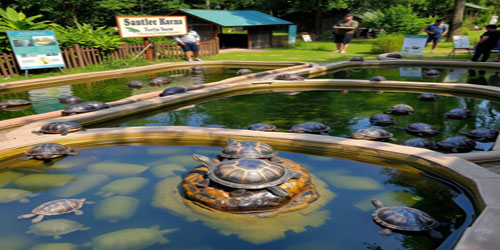 Here are 15 frequently asked questions about turtle farming for self sufficiency:Daily care typically takes less than 30 minutes, including feeding, checking water quality, and monitoring health. Yes, turtles can coexist with fish, ducks, or chickens in integrated systems, though care must be taken to avoid predation or disease spread. Laws vary by country and region—some require permits, especially for native or endangered species—so always check local wildlife regulations. Turtles thrive on a mix of commercial pellets, vegetables, insects, and occasional protein like fish or worms, depending on the species. Depending on the breed and feeding, most turtles reach market or consumption size within 1–3 years. Yes, turtle eggs are edible and considered a delicacy in some cultures, providing an additional source of nutrition from your farm. With proper habitat setup and nutrition, many species will breed naturally, allowing you to expand your stock without purchasing new turtles. Common issues include shell rot and respiratory infections, which can be avoided through clean water, good nutrition, and regular monitoring. Use filtration systems, regular water changes, and natural plants to keep the environment clean and reduce disease risks. Not at all—setup costs can be very low using repurposed containers, homemade shelters, and locally sourced feed. Yes, turtle manure is rich in nutrients and can be composted for use in gardens, enhancing soil fertility in a closed-loop system. Absolutely—raising your own turtles ensures a steady supply of food even when traditional markets fail, making it a smart choice for preppers. Yes, responsible turtle farming reduces pressure on wild populations and supports conservation efforts by discouraging illegal harvesting. Use secure enclosures, netting, fencing, and covered shelters to keep out birds, raccoons, and other common predators. Numerous books, online guides, forums, and aquaculture resources offer step-by-step instructions tailored for beginners and homesteaders alike. "Want To Raise Healthy Turtles? Get Gerard Dawn's Ebook That Will Guide You On Turtle Farming For Self Sufficiency, In Your Own Farm Yard Even If You're
|

How To Raise turtles Contact Us Terms of Use Privacy Policy About Us FAQ Site Map