Making A Turkey Habitat Frequently Asked Questions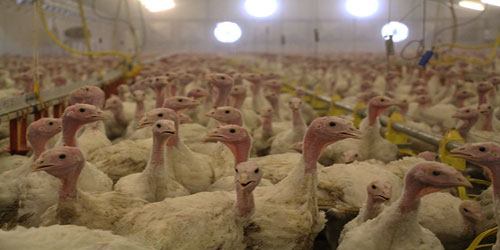 Here are 15 frequently asked questions about how to make a turkey habitat:Use sturdy fencing, covered runs, and lock coops securely at night to prevent predator attacks. Young turkeys prefer ground roosting, but mature birds may roost on low perches if provided. Include elevated feeders and waterers to prevent contamination and ensure easy access for all birds. Yes, insulate the coop, block drafts, and provide supplemental heat only if necessary for cold-sensitive breeds. Add logs, dust baths, pecking toys, and visual barriers to reduce stress and encourage natural behaviors. Yes, rotating pastures prevents overgrazing, reduces parasite buildup, and improves flock health. Use strong, tall poultry netting or welded wire to contain turkeys and keep predators out. Clean bedding regularly and perform a full deep-clean every few weeks to maintain hygiene. Yes, with proper shade, ventilation, and cool drinking water supplemented with electrolytes if needed. Allow at least 4 square feet per bird inside the coop with enough headroom for standing and stretching. If raising heritage breeds for breeding, provide large nesting boxes filled with soft bedding materials. Keep the area clean, store feed securely, and use natural pest control methods like diatomaceous earth. Yes, turkeys can thrive in free-range systems if they have safe access to shelter, food, and protection. Start with small groups of 6–10 birds to minimize stress and aggression while maintaining social harmony. Begin with a warm brooder setup, then gradually introduce them to the main habitat at around 8–10 weeks old. "Want To Raise Healthy Turkeys? Get Gerard Dawn's Ebook That Will Guide You On Making A Turkey Habitat For Meat Or Eggs, In Your Own Farm Yard Even If You're Just
|

How To Raise Tilapia Contact Us Terms of Use Privacy Policy About Us FAQ Site Map