
Raising Mangalica Pigs Frequently Asked Questions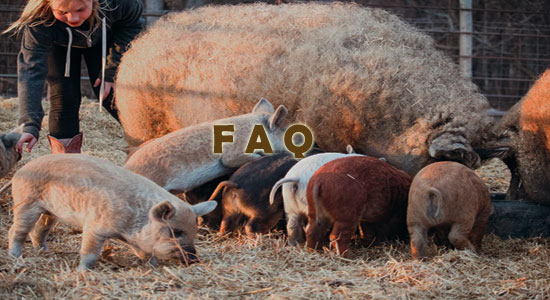 Here are 15 frequently asked questions about raising mangalica pigs:Mangalitsa pig farming involves raising this unique heritage breed, known for its high-quality meat and fat. These pigs require space to roam and a diet rich in natural forage, grains, and supplemental feed, ideally raised outdoors or on pasture to develop their prized flavor and fat composition. The Mangalitsa is a heritage breed originating from Hungary, valued for its traditional, pure lineage and specialized characteristics, such as a high-fat content, natural curly coat, and slow growth rate. Heritage breeds are known for their distinct, high-quality meat flavors and adaptability to traditional farming practices. Mangalitsa pork is known for its rich marbling, which gives the meat a tender, juicy texture and enhanced flavor. Its high-fat content, particularly from the prized backfat, contributes to a uniquely flavorful pork often described as delicate and savory. Mangalitsa pork is compared to Kobe beef due to its superior marbling and tenderness, which are rare in most pork breeds. This pork has a melt-in-the-mouth quality similar to Kobe beef and is often considered a gourmet meat for premium dishes. Yes, Mangalitsa pork contains higher levels of Omega-3 fatty acids compared to conventional pork. This is partly due to their unique diet and slow growth, which promotes a healthier fat profile in the meat. Pasture-raising allows Mangalitsa pigs to forage naturally, which supports healthier growth and improves the quality of their meat and fat. The outdoor environment reduces stress and encourages natural behaviors, leading to better meat flavor and fat texture. Mangalitsa pigs have a distinctive curly coat, inherited from their heritage lineage, which protects them from harsh weather and makes them easily recognizable. This curly hair is particularly thick in winter, helping them thrive in colder climates. Mangalitsa pigs are generally known for their docile and friendly nature, making them easier to manage than some other breeds. Their calm demeanor is particularly suited for small-scale and family farms. Mangalitsa pigs are slow-growing compared to commercial breeds, often taking up to 18 months to reach full size. This longer growth period allows their unique fat composition to develop, contributing to the high quality of the meat. Mangalitsa pigs were once near extinction due to the rise of commercial pork production. They are still considered a rare breed as their demand and breeding are limited, mainly maintained by farmers dedicated to heritage breeds and specialty markets. Mangalitsa pigs have a unique fat composition with high levels of unsaturated fats and beneficial Omega-3s. Their fat is prized for its soft texture and suitability for high-end culinary applications, such as charcuterie and gourmet cooking. Yes, Mangalitsa lard is known for its high-quality, creamy texture and mild flavor. Unlike typical pork fat, it is ideal for culinary uses such as baking, frying, and creating charcuterie due to its high melting point and smooth consistency. Mangalitsa pork contains higher levels of unsaturated fats, including Omega-3 and Omega-6 fatty acids, and is lower in cholesterol than conventional pork, offering a richer flavor and healthier fat profile for those seeking quality meats. Unlike commercial pork, Mangalitsa pork has a higher fat content, more marbling, and a rich, unique flavor profile. While commercial breeds are lean and quick-growing, Mangalitsa pigs are slower-growing and yield pork with superior flavor and texture. Yes, Mangalitsa is a good choice for home-raised pork if you want high-quality, flavorful meat. They require more time and space but are rewarding to raise for their exceptional taste, lard quality, and suitability for traditional pork dishes. Common health issues include respiratory infections, parasitic infestations, and reproductive problems. Regular monitoring and preventative care are essential to managing these issues. Handle Mangalica pigs gently and consistently to build trust and prevent stress. Socialize them from a young age to make handling and training easier. Positive reinforcement methods are effective in training. Prepare pigs for breeding by selecting healthy, well-fed animals with desirable traits. Ensure they have proper nutrition, a suitable environment, and veterinary care. Monitor for signs of heat and consult with a veterinarian for breeding practices. Manage waste by regularly cleaning their living area and using manure for composting or as fertilizer. Proper waste management helps prevent environmental contamination and promotes a healthy environment. Piglets need a warm, clean, and safe environment. Provide high-quality feed, access to water, and ensure they are monitored for health issues. Socialization and proper handling from an early age are also important. Prepare for slaughter by ensuring pigs are healthy and properly fed. Handle them calmly and ensure they are managed humanely. Follow industry best practices and regulations for humane slaughter. Challenges include managing health and nutrition, dealing with seasonal weather changes, and providing adequate space. Mangalica pigs require careful attention to ensure they thrive. Mangalica pigs typically take around 10-12 months to reach market weight, depending on their diet, genetics, and overall care. Regulations may vary by location and can include guidelines for animal welfare, housing, waste management, and food safety. Check local and national regulations to ensure compliance with legal requirements for raising pigs. "Want To Raise Healthy Mangalica Pigs? Get Gerard Dawn's Ebook That Will Guide You On How To Raise Healthy Profitable Mangalica Pigs For Meat, In Your Own Farm Yard Even If You're Just Starting Out In Mangalica Pig Farming..."
|

How To Raise Mangalica Pigs Contact Us Terms of Use Privacy Policy About Us FAQ Site Map