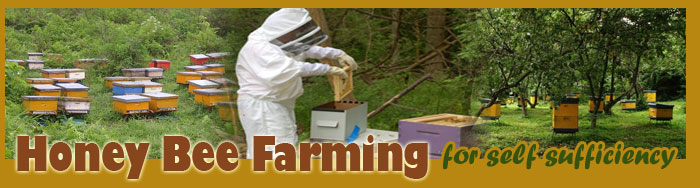
Honey Bee Farming For Self Sufficiency Frequently Asked Questions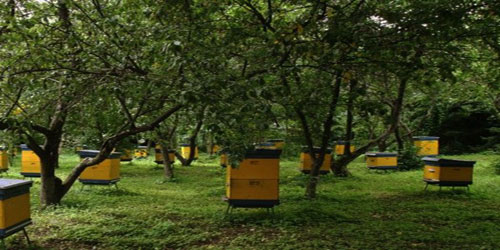 Here are 15 frequently asked questions about honey bee farming for self sufficiency:The primary products include honey, beeswax, propolis, royal jelly, and bee pollen. These by-products have various uses for personal consumption, sale, or trade. Bees pollinate flowers by transferring pollen between plants, enhancing fruit, vegetable, and seed production, which increases overall crop yields and reduces reliance on commercial pollination services. No, honey bee farming can be done in small spaces such as backyards, gardens, or on larger homesteads. However, more space for plants and forage can help support a larger bee colony. The best time to start is in early spring, just before the bees emerge from winter. This allows them to build their colony, gather nectar, and prepare for the summer honey flow. Yes, honey bee farming can generate income from the sale of honey, beeswax, and other bee-related products. It can also increase farm productivity through natural pollination. It may take a few months to a year to get comfortable with honey bee farming, depending on the level of study, practice, and experience, though basic bee care can be learned relatively quickly. Regular inspections, maintaining hive cleanliness, ensuring proper nutrition, and preventing pests and diseases are essential for bee health. Preventive measures such as controlling mites and avoiding pesticide exposure are important. Beeswax is used for making candles, skincare products, cosmetics, and can even be used as a natural food preservative. It's a valuable by-product of honey bee farming. For beginners, starting with 1-3 bee colonies is recommended. As you gain experience, you can expand the number of colonies to increase honey production and pollination services. Honey is harvested by removing the frames from the hive, uncapping the honeycombs, and using a honey extractor to spin out the honey. It is then filtered and jarred for use. Yes, regular monitoring for pests such as Varroa mites and small hive beetles is important. You may need to treat your hives with natural or chemical treatments to protect your bee colony. Yes, honey bee farming is an environmentally sustainable practice. Bees improve biodiversity through pollination and can reduce the need for chemical inputs like pesticides and fertilizers on a farm. Challenges include managing pests and diseases, maintaining hive health, dealing with climate impacts (like extreme weather), and harvesting honey. Regular monitoring and learning are essential for overcoming these challenges. Yes, honey bee farming can be profitable on a small homestead, especially if you're selling honey, beeswax, and other bee products locally. It can also supplement other self-sufficiency efforts. Honey bee farming enhances self-sufficiency by providing a renewable source of honey, beeswax, and other products, improving crop yields through pollination, and supporting sustainability by reducing reliance on external agricultural inputs. "Want To Raise Healthy Honey Bees? Get Gerard Dawn's Ebook That Will Guide You On Honey Bee Farming For Self Sufficiency, In Your Own Farm Yard Even If You're Just Starting Out In Honey Bee Farming..."
|

How To Raise Honey Bees Contact Us Terms of Use Privacy Policy About Us FAQ Site Map