
Raising A Fainting Goat Frequently Asked Questions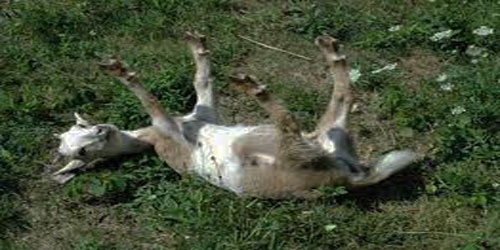 Here are 15 frequently asked questions about how to raise a fainting goat:Fainting goats require a safe, spacious area to roam. At least 200 square feet of pasture per goat is recommended for grazing, as they are active and need room to move around. Ensure your fainting goats' environment is free of sharp objects and obstacles that could cause injury when they fall. Keep their living space clean, and provide a soft, dry bedding area for them to rest. Yes, fainting goats are typically calm and can be kept with other livestock like chickens, sheep, and pigs. However, it's important to monitor their interactions to ensure they are comfortable and not stressed. After a fainting goat falls over, allow it to recover on its own. They usually get back up within a minute. Avoid picking them up unless they are unresponsive, as the fall is temporary and harmless. Fainting goats are not typically raised for milk production, though some may produce milk for personal consumption. Their primary purpose is usually for meat, fiber, or as pets. Fainting goats need a dry, draft-free shelter that protects them from rain, snow, and extreme temperatures. A simple barn or three-sided shed with adequate ventilation works well for them. Fainting goats should be dewormed every 6 to 12 months, depending on the local parasite load. Regular fecal checks can help determine the appropriate deworming schedule. Fainting goats should receive standard vaccinations, including tetanus, rabies, and goat-specific vaccines like Clostridium C&D. Consult a vet for the best vaccination plan based on your region. Breeding fainting goats requires selecting healthy animals with good genetics. Make sure the female is in heat and has reached the appropriate age and weight for breeding. Consult with a breeder or vet for guidance on the best breeding practices. Fainting goats typically live around 12 to 15 years when well-cared for, though some may live even longer with proper nutrition, shelter, and healthcare. Fainting goats are relatively easy to train, especially when it comes to teaching basic commands or getting them used to a routine. Positive reinforcement, such as treats, works well with them. Yes, fainting goats are raised for meat in some areas. Their meat is lean, flavorful, and tender, making them a valuable option for those raising goats for meat. Fainting goats are generally healthy, but they can be prone to parasites, hoof issues, and respiratory infections. Regular health checks and a proper diet help minimize health problems. If your fainting goat is constantly falling over, seems lethargic, has trouble eating or drinking, or shows signs of injury, it’s important to consult a veterinarian as these may be signs of illness or stress. Yes, fainting goats can be raised on small properties as long as they have access to sufficient grazing space, shelter, and a safe, secure environment. Just ensure they have room to move around comfortably. "Want To Raise Healthy Goats? Get Gerard Dawn's Ebook That Will Guide You On How To Raise Healthy Profitable Fainting Goats For Meat Or Milk, In Your Own Farm Yard Even If You're Just Starting Out In Goat Farming..."
|

How To Raise Goats Contact Us Terms of Use Privacy Policy About Us FAQ Site Map