
Raising Cashmere Goats Frequently Asked Questions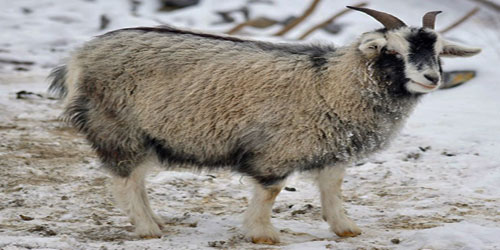 Here are 15 frequently asked questions about how to raise cashmere goats:While Cashmere goats can graze on standard pasture, they should receive mineral supplements, especially calcium and phosphorus, to ensure their health and optimal fiber production. Cashmere goats typically live between 10 to 12 years, though some can live longer with proper care. Cashmere goats are hardy and thrive in colder climates but can also adapt to temperate regions, as long as they have proper shelter and protection from harsh weather. Cashmere goats typically breed in the fall, with kids being born in spring, around February to April, when the weather is milder. Cashmere goats typically give birth to twins, although single or triplet births can also occur. Cashmere is harvested by combing or shearing the goats, typically after they shed their winter coat in spring. The fine undercoat is separated from the coarser outer hair. Cashmere goats need basic shelter to protect them from extreme weather conditions, especially rain, snow, and harsh winds. A simple shed or barn will suffice. Cashmere goats can suffer from common goat diseases like pneumonia, mastitis, and parasites. Regular vaccinations and health checks are necessary for disease prevention. The cost of raising Cashmere goats includes initial investment in animals, shelter, feed, healthcare, and fiber harvesting tools. Ongoing costs are relatively low but should be carefully considered. Cashmere goats help by controlling unwanted vegetation and providing natural fertilizer through their manure, contributing to healthier pastureland. When selecting Cashmere goats for breeding, choose those with high-quality, dense fleece, good health, and strong genetics for fiber production. Cashmere goats should have their hooves trimmed every 6 to 8 weeks to prevent infections and maintain mobility. Yes, Cashmere goats can be raised with other livestock such as sheep, cattle, or chickens, as long as the animals have enough space and there is no competition for food. Yes, Cashmere goats produce milk, but it is generally not as abundant as that of dairy goats. However, their milk can be used for personal consumption or making cheese. Raising Cashmere goats offers multiple benefits, including the production of valuable cashmere fiber, meat, milk, and manure, making them a profitable and versatile livestock option for farmers. "Want To Raise Healthy Goats? Get Gerard Dawn's Ebook That Will Guide You On How To Raise Healthy Profitable Cashmere Goats For Meat Or Milk, In Your Own Farm Yard Even If You're Just Starting Out In Goat Farming..."
|

How To Raise Goats Contact Us Terms of Use Privacy Policy About Us FAQ Site Map