
Small Scale Duck Farming Frequently Asked Questions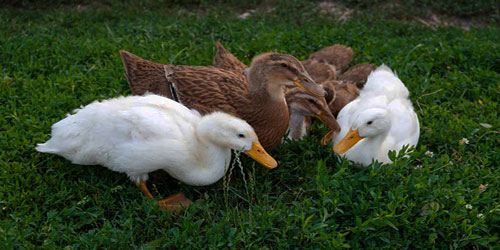 Here are 15 frequently asked questions about small scale duck farming:Provide at least 4-6 square feet of indoor space per duck and access to an outdoor run for foraging and exercise. Ducks eat commercial duck feed, grains, vegetables, and insects. Foraging can also supplement their diet. Most ducks lay 200-300 eggs per year, with some breeds, like Khaki Campbell, laying almost daily. Use secure fencing, lock them in a shelter at night, and install deterrents like motion-activated lights or alarms. Yes, ducks and chickens can coexist, but they require separate sleeping areas and water sources. Duck manure can be composted and used as organic fertilizer, which is rich in nutrients for gardening. Ducks need clean water for drinking and bathing. Change water regularly to maintain hygiene. Ducks eat slugs, snails, and insects, naturally reducing pests in gardens and fields. Yes, you can sell eggs, meat, ducklings, or even composted manure to earn supplemental income. Ducks are generally quieter than chickens, but their noise level varies by breed and individual behavior. Isolate the sick duck, consult a vet, and maintain cleanliness in the duck's environment to prevent disease spread. Ducks live an average of 8-12 years, though their productive years for laying or breeding are typically fewer. Vaccinations are not always necessary for small-scale duck farming but consult a vet for local disease risks. Provide shade and cool water in summer, and insulated shelters with bedding during winter to keep ducks comfortable. Yes, it is highly sustainable, offering eco-friendly benefits like waste recycling, natural pest control, and organic egg and meat production. "Want To Raise Healthy Ducks? Get Gerard Dawn's Ebook That Will Guide You On Small Scale Duck Farming For Meat or Eggs, In Your Own Farm Yard Even If You're Just
|

How To Raise Ducks Contact Us Terms of Use Privacy Policy About Us FAQ Site Map