
Small Scale Crab Farming Frequently Asked Questions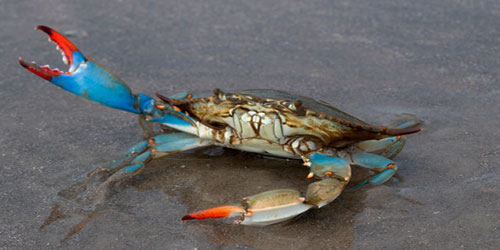 Here are 15 frequently asked questions about small scale crab farming:Crabs are omnivores and eat a variety of foods, including fish, mollusks, algae, and other plant matter. Commercial feeds can also be used to ensure a balanced diet. Growth times vary depending on the species and environmental conditions, but typically, crabs take between 6 months to 1 year to reach market size. Yes, depending on your location, you may need permits related to water use, aquaculture practices, and health and safety standards. Always check local regulations before starting a farm. Breeding requires creating optimal conditions for mating, such as temperature control and appropriate habitat. Some species may require specific seasonal conditions for successful reproduction. Some species, like freshwater crabs, can be farmed in freshwater environments. However, most commercially farmed crabs, such as blue and mud crabs, are typically raised in brackish or saltwater. Crabs generally thrive in water temperatures between 20°C to 30°C (68°F to 86°F), depending on the species. Temperature control is essential for maintaining optimal growth rates. Crabs are typically harvested by hand or with the use of nets once they reach marketable size. Harvesting should be done carefully to avoid injury to the crabs and ensure they remain in good condition. Crabs can be susceptible to bacterial infections, parasites, and fungal diseases. Maintaining clean water, proper nutrition, and monitoring for signs of illness are crucial for disease prevention. Yes, small-scale crab farming can be set up in urban areas using land-based systems like recirculating aquaculture systems (RAS). However, it’s important to consider local zoning and regulations. Crabs can be sold directly to local seafood markets, restaurants, or through community-supported agriculture (CSA) programs. Establishing connections with local buyers helps ensure a steady market. Small-scale crab farming provides access to sustainable seafood production, local market opportunities, lower startup costs, and the chance to promote eco-friendly practices while offering fresh, high-quality crabs. Yes, with careful management and good marketing, small-scale crab farming can be profitable. The key to success includes efficient water management, maintaining good crab health, and finding local buyers. Yes, crabs can be raised in tanks or cages in controlled systems. Tank-based systems, like recirculating aquaculture systems (RAS), are becoming increasingly popular for small-scale farms due to their efficiency in water use. Yes, molting is a critical phase in a crab’s life cycle. During this time, crabs shed their old exoskeleton and grow a new one. Providing a stress-free environment with plenty of hiding places is crucial to prevent injury during molting. High-quality crabs are the result of good water management, a balanced diet, and proper disease prevention. Harvesting crabs at the right time, when they are fully grown but not overfed, also ensures the best quality product for sale. "Want To Raise Healthy Crabs? Get Gerard Dawn's Ebook That Will Guide You On Small Scale Crab Farming, In Your Own Farm Yard Even If You're Just Starting Out In Crab Farming..."
|

How To Raise Crabs Contact Us Terms of Use Privacy Policy About Us FAQ Site Map