
Raising King Crabs Frequently Asked Questions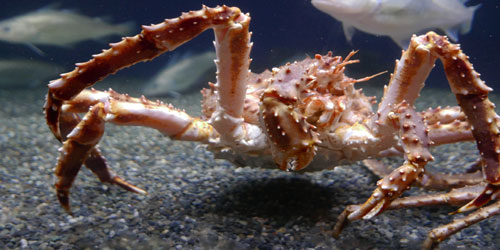 Here are 15 frequently asked questions about how to raise king crabs:Regularly monitor water parameters, including temperature, salinity, pH, and oxygen levels. Use filtration systems to maintain clean water and prevent disease outbreaks. Breeding king crabs in captivity is challenging, but it is possible with the right conditions. Most farms buy juvenile crabs from the wild to grow them to market size. King crabs prefer salinity levels between 30 and 35 ppt (parts per thousand), which is typical of oceanic waters. Challenges include maintaining optimal water conditions, managing disease outbreaks, and ensuring the crabs have enough space to grow without overcrowding. Regularly inspect the crabs for signs of disease, maintain proper hygiene, manage water quality, and implement biosecurity measures to prevent the spread of infections. King crabs are typically harvested by carefully lifting them from their pens or tanks once they reach the desired size. Ensure that they are handled gently to avoid injury. To avoid overcrowding, ensure that your tanks or pens are large enough for the number of crabs you’re raising. Monitoring growth and harvesting crabs at the right time also helps manage population density. Yes, king crabs molt periodically as they grow. During this time, they are vulnerable, and special care should be taken to prevent injury or disease. King crab farming requires cold water conditions, so it is typically done in regions with naturally cold waters, such as the Bering Sea or the coastal areas of Alaska. King crabs should be fed regularly, usually every 2-3 days, depending on their size. Overfeeding should be avoided to prevent water quality issues. Juvenile king crabs can be sourced from hatcheries or the wild. Farms often purchase juvenile crabs and raise them until they reach market size. Yes, king crabs can live in artificial pens or tanks, as long as the water conditions and environment mimic their natural habitat. During molting, ensure that the crabs have enough space and privacy. This is a delicate time for them, and proper care should be taken to avoid injury or predation from other crabs. Yes, there are various regulations concerning the farming of king crabs, especially regarding environmental impact and sustainability. Be sure to check with local authorities for required permits and guidelines. King crab farming can be highly profitable due to the high market demand for king crab meat. However, it requires a long-term investment and careful management of resources to ensure profitability. "Want To Raise Healthy Crabs? Get Gerard Dawn's Ebook That Will Guide You On How To Raise Healthy Profitable King Crabs For Meat, In Your Own Farm Yard Even If You're
|

How To Raise Crabs Contact Us Terms of Use Privacy Policy About Us FAQ Site Map