
Raising Dungeness Crab Frequently Asked Questions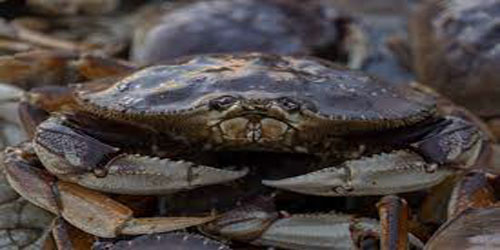 Here are 15 frequently asked questions about how to raise dungeness crabs:Dungeness crabs should be fed 1-2 times a day, with careful attention to avoid overfeeding to prevent water contamination. Dungeness crabs grow by molting, shedding their old exoskeleton to grow a larger one. This process can take several weeks and occurs multiple times as they mature. To avoid cannibalism, provide ample hiding spots and avoid overcrowding. Soft-shell crabs should be isolated until their new shell hardens. Yes, Dungeness crabs can be successfully raised in large tanks or earthen ponds, provided the water conditions, including temperature and salinity, are carefully controlled. It typically takes 2-3 years for Dungeness crabs to reach marketable size, around 6.25 inches (16 cm) across the carapace. The water should maintain a pH between 7.5 and 8.5, which is slightly alkaline and suitable for Dungeness crabs’ health. Signs of unhealthy crabs include lack of movement, discoloration, soft or broken shells, and difficulty molting. These may indicate poor water quality or disease. Yes, many regions require permits for commercial crab farming to ensure sustainable practices and compliance with local regulations. Check with your local fishery department. Breeding Dungeness crabs requires careful management of water quality, temperature, and feeding. Larvae must be nurtured in plankton-rich conditions, with particular attention to water movement and salinity. If water quality deteriorates, perform partial water changes, check oxygen levels, and monitor filtration systems. Regular testing for ammonia, nitrites, and salinity is crucial. Dungeness crabs are typically harvested once they reach a size of 6.25 inches (16 cm) across the carapace, generally after 2-3 years of growth. No, Dungeness crabs require brackish or saltwater for optimal growth and health, as they are naturally found in coastal marine environments. Raising Dungeness crabs can be profitable, environmentally sustainable, and provides access to high-demand seafood markets. They also play a role in marine ecosystems by scavenging. You'll need a tank or pond, filtration system, aeration equipment, temperature control system, and nets for harvesting. Regular monitoring tools for water quality are also essential. Prevent disease by maintaining clean water, practicing proper feed management, reducing stress factors, and isolating any sick crabs. Regularly inspect the crabs for signs of illness. "Want To Raise Healthy Crabs? Get Gerard Dawn's Ebook That Will Guide You On How To Raise Healthy Profitable Dungeness Crabs, In Your Own Farm Yard Even If You're
|

How To Raise Crabs Contact Us Terms of Use Privacy Policy About Us FAQ Site Map