
Crab Farming For Self Sufficiency Frequently Asked Questions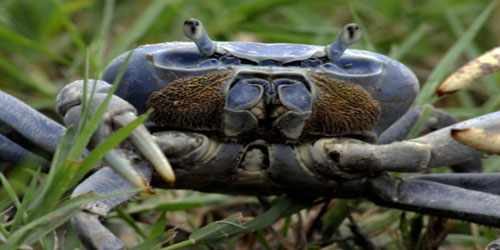 Here are 15 frequently asked questions about crab farming for self sufficiency:Juvenile crabs can be purchased from reputable hatcheries or local suppliers specializing in aquaculture, ensuring they are disease-free and suitable for your farm. Crabs typically take about 6 to 8 months to reach harvestable size, depending on the species, water conditions, and feeding practices. Crabs are omnivorous and can be fed a diet consisting of natural feed like fish scraps, algae, and commercial crab pellets to promote healthy growth. Common challenges include maintaining proper water quality, preventing diseases, ensuring adequate space for growth, and managing feeding schedules effectively. Regularly monitor water quality, remove dead or sick crabs, and maintain good hygiene to prevent the spread of diseases such as bacterial infections or shell rot. Yes, when done responsibly, crab farming can be environmentally sustainable, especially if integrated with mangrove restoration or polyculture farming practices to support biodiversity. Yes, small-scale crab farming can be done in compact spaces using tanks or small ponds, making it a feasible option for urban or rural areas. Crabs require clean, well-oxygenated water with balanced salinity and pH levels. Regular testing and maintenance, such as filtering and water changes, are essential. Basic equipment includes water filtration systems, feeding trays, ponds or tanks, aerators, and nets for harvesting crabs. Crab farming can be profitable, especially if excess crabs are sold locally. By reducing the cost of purchasing seafood, it can save money and provide extra income. Yes, crab farming can be integrated with other types of farming, such as rice farming or fish farming, to maximize space and resources in a polyculture system. Crabs are harvested by gently collecting them from the pond or tank using nets or by hand. It’s important to do this carefully to avoid damaging the crabs or their shells. Crabs can be sold in local markets, directly to consumers, or to seafood restaurants. There is also demand for premium varieties like mud crabs in international markets. Depending on local regulations, you may need a permit or license to farm crabs, especially if you plan to sell them commercially. Check with local authorities to ensure compliance. You can learn more by reading guides, joining local aquaculture forums, and taking courses on sustainable crab farming. Our detailed eBook on crab farming for self-sufficiency is an excellent resource to start with! "Want To Raise Healthy Crabs? Get Gerard Dawn's Ebook That Will Guide You On Crab Farming For Self Sufficiency, In Your Own Farm Yard Even If You're Just Starting
|

How To Raise Crabs Contact Us Terms of Use Privacy Policy About Us FAQ Site Map