
Raising Rhode Island Red Chickens Frequently Asked Questions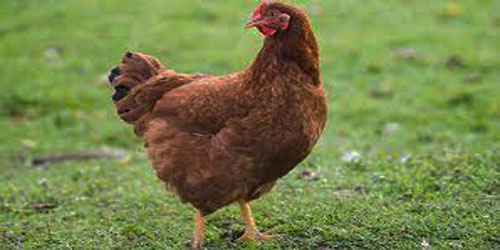 Here are 15 frequently asked questions about raising rhode island red chickens:Rhode Island Red chickens should be fed a balanced poultry feed formulated for laying hens, supplemented with fresh vegetables, grains, and access to clean water. They can also forage for insects and plants if allowed free-range. Each Rhode Island Red chicken should have at least 4 square feet of indoor space in the coop and an outdoor run of about 10 square feet per bird if they are free-ranging. Yes, Rhode Island Reds are excellent foragers and thrive in free-range environments, where they can roam and scratch for food, improving their diet and overall health. Rhode Island Red chickens are generally calm and friendly but can be assertive, especially during the breeding season. They are easy to handle, making them great for small farms and homesteads. Ensure your coop is secure with strong fencing and a sturdy door. Use hardware cloth for ventilation and keep the chickens indoors at night to protect them from nocturnal predators. Yes, Rhode Island Reds are usually docile and get along well with other chicken breeds, making them suitable for mixed flocks. Provide clean water, a balanced diet, and regular checkups for signs of illness. Keep the coop clean and dry to prevent infections, and provide dust baths to help with mite control. Rhode Island Red hens typically begin laying eggs at around 5 to 6 months of age, depending on environmental conditions and nutrition. Yes, like all chickens, Rhode Island Reds will molt annually, typically in the fall. During this period, they stop laying eggs and shed old feathers to grow new ones. Rhode Island Reds are not known to be excessively broody, but if a hen becomes broody, you can discourage this behavior by removing her from the nesting box and ensuring she has plenty of space. Rhode Island Red chickens typically live 6-8 years, with many living even longer if well-cared for in a healthy environment. To encourage egg-laying, ensure your chickens have proper nutrition, sufficient light, and a stress-free environment. Providing nesting boxes in a quiet, clean area will also help. Use straw, wood shavings, or pine chips as bedding for the coop. These materials help absorb moisture and control odors while keeping the chickens comfortable. In the winter months, you may need to provide supplemental lighting for 14-16 hours a day to maintain consistent egg production, as hens need sufficient light to lay eggs. Yes, Rhode Island Red chickens are adaptable and can thrive in urban or suburban environments as long as they have enough space, proper shelter, and are not exposed to heavy traffic or extreme stress. "Want To Raise Healthy Chickens? Get Gerard Dawn's Ebook That Will Guide You On How To Raise Healthy Profitable Rhode Island Red Chickens For Meat Or Eggs, In Your Own Farm Yard Even If You're Just Starting Out In Chicken Farming..."
|

How To Raise Chickens Contact Us Terms of Use Privacy Policy About Us FAQ Site Map