
Keeping Red Jungle Fowl Frequently Asked Questions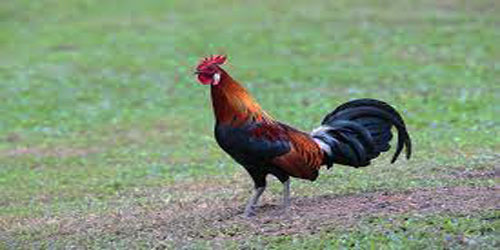 Here are 15 frequently asked questions about keeping red jungle fowl:Breeding red jungle fowl requires a male and female pair, with the male attracting the female through displays and calls. Ensure a quiet, safe nesting area for the females to lay their eggs. Red jungle fowl can be raised with other chickens, but due to their territorial nature, it's best to keep them separate to avoid aggressive behavior from the males. Red jungle fowl thrive in a semi-natural environment that includes vegetation, space for foraging, and shelter from extreme weather conditions. A forest-like or grassy setting is ideal. Red jungle fowl are excellent flyers. To prevent escape, ensure your enclosure is tall with high, secure fencing and overhead netting to keep them from flying out. Red jungle fowl are wild and skittish, so handling them requires patience and gentleness. Start slowly by gaining their trust with food and minimal interaction, and avoid sudden movements that might stress them out. Ensure their coop or shelter is secure, with sturdy fencing, a solid roof, and no gaps. Consider installing predator deterrents like motion-activated lights or fencing buried into the ground to prevent digging predators. Males typically have brighter, more colorful plumage and a larger comb than females. The males also have a distinctive crowing sound, while the females are quieter and smaller. Like all poultry, red jungle fowl can benefit from vaccinations to prevent common diseases. Consult a veterinarian for advice on specific vaccinations for your area and flock. Red jungle fowl are native to warm climates but can tolerate cooler temperatures if provided proper shelter, bedding, and care. However, they may not do well in harsh winters without additional protection. Red jungle fowl typically lay eggs during the warmer months. The females usually lay a clutch of eggs, which they incubate, but they may not lay as frequently as domestic chickens. For bedding, use straw, hay, or wood shavings. The bedding should be changed regularly to maintain a clean and dry environment, which helps prevent the buildup of parasites or bacteria. To encourage breeding, ensure the male and female are housed together in a calm, safe environment. Provide nesting materials and places where the female can lay eggs in privacy. While they can be kept in urban areas, red jungle fowl need plenty of space and a secure, enclosed area to thrive. Urban environments can be challenging due to limited space and potential predators. Common health issues in red jungle fowl include respiratory infections, mites, and worms. Regular health checks, clean housing, and a balanced diet can help prevent many health problems. Red jungle fowl are natural foragers, so providing plenty of opportunities to dig, peck, and search for insects and plants will keep them mentally and physically stimulated. Consider adding logs, branches, and plants to their environment for added enrichment. "Want To Raise Healthy Chickens? Get Gerard Dawn's Ebook That Will Guide You On How To Raise Healthy Profitable Red Jungle Fowl Chickens For Meat Or Eggs, In Your Own Farm Yard Even If You're Just Starting Out In
|

How To Raise Chickens Contact Us Terms of Use Privacy Policy About Us FAQ Site Map