
Chicken Farming For Self Sufficiency Frequently Asked Questions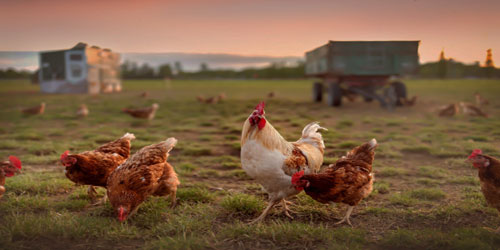 Here are 15 frequently asked questions about chicken farming for self sufficiency:Keep their living environment clean, provide a balanced diet, and watch for signs of illness or parasites. Regularly check for mites, lice, and other common poultry diseases. Chickens can eat a variety of foods, including grains, vegetables, and kitchen scraps. Commercial feed provides necessary vitamins and minerals, but supplemental food like seeds and insects is beneficial for a natural diet. Chickens can live for 5-10 years, though their egg production typically declines after 3-5 years. Meat chickens, like broilers, are usually raised for 6-8 weeks. On average, a mature chicken will consume about 1/4 to 1/3 pound of feed per day, depending on their size and whether they are free-ranging. Yes, chickens are excellent foragers and can help control insects, weeds, and small pests around your garden or property by pecking at them. Chicken manure is an excellent fertilizer. You can compost it or directly apply it to your garden, but it should be aged or composted for at least 6 months to avoid burning plants. No, hens will lay eggs without a rooster, but the eggs will be unfertilized. A rooster is only necessary if you want to hatch chicks. Build a secure chicken coop with sturdy fencing, a roof for protection from aerial predators, and an enclosed run to keep chickens safe from predators like raccoons, foxes, and hawks. Look for symptoms like lethargy, loss of appetite, abnormal droppings, coughing, or changes in egg production. If you notice any of these signs, consult a veterinarian. Yes, chickens can be kept in the winter as long as their coop is dry, draft-free, and provides adequate ventilation. You can also add extra bedding for warmth. Keep hens in good health, provide a balanced diet, and maintain consistent lighting (12-16 hours of light) to encourage egg production year-round. To hatch chickens, you need a rooster for fertilization and an incubator or broody hen to care for the eggs for 21 days until they hatch. Yes, chickens must have constant access to fresh, clean water, as they can easily become dehydrated without it, affecting their health and egg production. Yes, raising chickens can be environmentally sustainable, especially when using methods like chicken tractors to minimize feed waste and fertilize crops naturally. Yes, if you produce more than you need, you can sell eggs, meat, or even chicks to local markets, neighbors, or through farmers’ markets, making it a potential side income source. "Want To Raise Healthy Chickens? Get Gerard Dawn's Ebook That Will Guide You On Chicken Farming For Self Sufficiency For Meat Or Eggs, In Your Own Farm Yard
|

How To Raise Chickens Contact Us Terms of Use Privacy Policy About Us FAQ Site Map