
Raising Charolais Cattle Frequently Asked Questions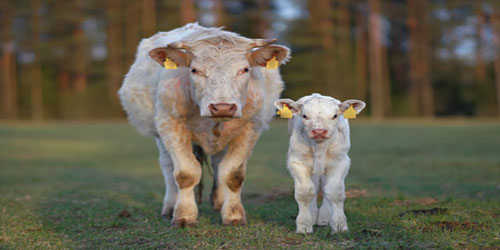 Here are 15 frequently asked questions on raising charolais cattle:Charolais cattle are hardy and can thrive in both hot and cold climates, though providing shade and shelter during extreme weather is beneficial. Breeding Charolais cattle involves selecting healthy, genetically strong animals for mating. Artificial insemination or natural breeding can be used, depending on your operation's needs. Charolais cattle typically calve once a year, with the calving season depending on breeding management and farm practices. Charolais cattle typically live for 10 to 15 years, although their productive lifespan on the farm is usually 6 to 8 years, depending on their health and management. Regular health checks, vaccinations, parasite control, and maintaining clean water and feed are essential for keeping Charolais cattle healthy and productive. Yes, Charolais cattle are often used in crossbreeding to improve the size, muscle mass, and growth rate of other breeds. The main benefits include fast growth, high-quality meat, adaptability to different climates, and ease of handling, making Charolais cattle a profitable choice for beef production. Charolais cattle are relatively resilient and can handle extreme temperatures, but they should be provided with shelter from harsh conditions such as extreme cold or intense heat. Like all cattle, Charolais cattle can be susceptible to diseases such as bloat, mastitis, and pneumonia. Preventative care, such as vaccination and proper nutrition, helps reduce the risk. Charolais cattle do well in both open pastures and barns. However, they benefit from access to shelter during extreme weather conditions, especially in the winter or hot summers. Charolais cattle can gain approximately 2.5 to 3 pounds of weight per day under optimal feeding conditions, contributing to quicker turnaround times for beef production. To improve beef quality, provide Charolais cattle with a high-quality diet, including well-managed pasture and supplements, and maintain a stress-free environment for optimal marbling and tenderness. At maturity, Charolais bulls typically weigh around 2,000 pounds, while cows can reach around 1,400 pounds, with both having a large, muscular frame. Charolais cattle should be fed a balanced diet for optimal weight gain and health before marketing. Managing their stress levels and providing good handling practices ensures the best possible meat quality. Charolais cattle are known for their superior growth rate, feed efficiency, and high-quality beef, making them a top contender for commercial beef production when compared to other beef breeds. "Want To Raise Healthy Charolais Cattle? Get Gerard Dawn's Ebook That Will Guide You On How To Raise Healthy Profitable Charolais Cattle, In Your Own Farm Yard Even If You're Just Starting Out In Cattle Farming..."
|

How To Raise Cattle Contact Us Terms of Use Privacy Policy About Us FAQ Site Map